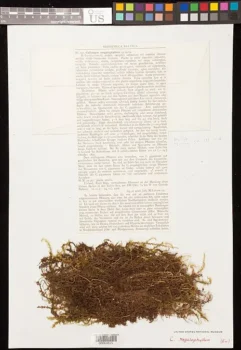
Calliergon Moss: A Hardy Ground-Hugger for Northern Gardens
Meet Calliergon megalophyllum, better known as calliergon moss – a charming little ground-cover that’s been quietly carpeting the northern wilderness for millennia. While you might not think of moss as a garden star, this particular species has some surprising qualities that make it worth getting to know, especially if you’re working with challenging shady or wet spots in your landscape.
What Exactly Is Calliergon Moss?
Calliergon moss belongs to the fascinating world of bryophytes – those ancient, non-flowering plants that include mosses, liverworts, and hornworts. Unlike your typical garden plants, this moss doesn’t have true roots, stems, or leaves in the traditional sense. Instead, it’s a herbaceous perennial that forms dense, soft mats and often attaches itself to rocks, logs, or other solid surfaces rather than just soil.
What sets calliergon moss apart from its mossy cousins is right there in its scientific name – megalophyllum means large-leaved, and indeed, this moss sports notably bigger leaves than many other moss species, giving it a distinctive, almost feathery appearance.
Where Does It Call Home?
This moss is a true North American native, naturally occurring throughout the boreal regions of Canada and the northern United States. It’s particularly fond of cool, moist environments and thrives in the kind of conditions that would make many garden plants throw in the trowel.
Is Calliergon Moss Beneficial in Gardens?
While calliergon moss might not attract butterflies or produce showy blooms, it offers some unique benefits to naturalistic gardens:
- Erosion control: Its dense mat formation helps stabilize soil on slopes and banks
- Moisture retention: Acts like a natural sponge, helping maintain soil moisture
- Low maintenance: Once established, requires virtually no care
- Year-round interest: Stays green through winter in suitable climates
- Wildlife habitat: Provides shelter for tiny insects and other small creatures
Perfect Conditions for This Cool Customer
Calliergon moss is hardy in USDA zones 2-6, making it an excellent choice for northern gardeners dealing with harsh winters. It thrives in:
- Consistently moist to wet soils
- Shaded to partially shaded locations
- Cool, humid environments
- Areas with good air circulation
Think woodland edges, the north sides of buildings, or those perpetually damp spots where grass refuses to grow – that’s where this moss feels most at home.
How to Identify Calliergon Moss
Spotting calliergon moss in the wild (or determining if it’s already growing in your garden) is easier when you know what to look for:
- Size: Forms dense mats that can spread several feet across
- Leaf size: Noticeably larger leaves compared to most other mosses
- Color: Rich green, sometimes with a slightly yellowish tint
- Texture: Soft and somewhat feathery appearance
- Growth pattern: Creates thick, cushiony carpets
Working with Nature’s Carpet
Rather than trying to plant calliergon moss in the traditional sense, think of encouraging its natural establishment. If conditions are right – cool, moist, and shaded – this moss may appear on its own. You can also transplant small sections from areas where it’s abundant to spots where you’d like to see it establish.
The key to success is patience and maintaining consistent moisture. Unlike traditional garden plants, moss doesn’t need fertilizer or regular watering once established, but it does need that initial period of steady moisture to get established.
A Quiet Garden Companion
Calliergon moss won’t be the star of your garden show, but it might just be the reliable supporting actor you didn’t know you needed. For northern gardeners dealing with challenging shady, wet spots, or those looking to create more naturalistic landscapes, this hardy moss offers a low-maintenance solution that works with nature rather than against it.
Whether it appears naturally in your garden or you encourage its establishment, calliergon moss represents the quiet beauty of native plants that have been thriving in North American landscapes long before we ever thought to call them garden-worthy.