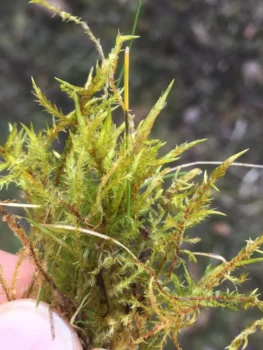
Calliergonella Moss: A Delicate Native Ground Cover for Shady Spots
If you’ve ever wandered through a moist woodland and noticed soft, green carpets covering the forest floor, you may have encountered Calliergonella cuspidata, commonly known as calliergonella moss. This charming little bryophyte might not grab headlines like flashy flowering plants, but it plays a quietly important role in our native ecosystems.
What Exactly Is Calliergonella Moss?
Calliergonella moss is a native North American bryophyte – that’s the fancy scientific term for the group that includes mosses, liverworts, and hornworts. Unlike your typical garden plants, mosses don’t have true roots, stems, or leaves in the traditional sense. Instead, they’re simple, herbaceous plants that often attach themselves to solid surfaces like rocks, logs, or soil rather than sending down deep root systems.
This particular moss species has quite the collection of scientific aliases, including former names like Acrocladium cuspidatum and Calliergon cuspidatum, which you might encounter in older botanical references.
Where Does It Call Home?
Calliergonella cuspidata is a true native to North America, with confirmed populations in New Jersey and New York, though it likely has a broader northeastern range. As a native species, it has co-evolved with local wildlife and environmental conditions over thousands of years.
- Species observed
- No observations
Spotting Calliergonella Moss in the Wild
Identifying this moss takes a keen eye, as many moss species can look quite similar to the untrained observer. Calliergonella moss typically forms dense, low-growing mats with small, pointed leaf tips that give it its cuspidata name (which means pointed in Latin). The moss appears as a soft, green carpet that feels springy underfoot.
Look for it in:
- Moist, shaded woodland floors
- Areas with rich, organic soil
- Cool, humid microclimates
- Spots that stay consistently damp but not waterlogged
Is Calliergonella Moss Beneficial for Your Garden?
While you won’t find calliergonella moss at your local garden center, it can be a wonderful addition to naturalized landscapes. Here’s why this humble moss deserves some appreciation:
Natural Ground Cover: It forms dense mats that can help prevent soil erosion in shaded areas where grass struggles to grow.
Low Maintenance: Once established in suitable conditions, moss requires virtually no care – no mowing, fertilizing, or watering (beyond what nature provides).
Wildlife Habitat: Small creatures like insects and spiders often find shelter among moss colonies, contributing to biodiversity in your landscape.
Aesthetic Appeal: There’s something undeniably peaceful about the soft, velvety texture of moss carpets, especially in woodland or shade garden settings.
Growing Conditions and Care
If you’re lucky enough to have calliergonella moss appear naturally on your property, here’s how to keep it happy:
This moss thrives in USDA hardiness zones 3-7, preferring cool, moist conditions. It does best in partial to full shade with consistent moisture – think of the conditions you’d find on a forest floor after a gentle rain.
The ideal growing conditions include:
- Acidic, organic-rich soil
- Consistent moisture (but not standing water)
- Protection from harsh sun and drying winds
- Good air circulation to prevent fungal issues
A Word About Moss Gardening
While you can’t exactly plant moss like you would a perennial, you can encourage its natural establishment by creating the right conditions. Avoid walking on existing moss colonies, as they’re more delicate than they appear. If you’re interested in moss gardening, focus on creating hospitable environments rather than trying to transplant wild specimens.
The Bottom Line
Calliergonella moss may not be the showstopper of your garden, but it’s one of those quiet workhorses that helps create healthy, diverse ecosystems. If you spot it growing naturally in your shaded areas, consider yourself lucky to have this native groundcover doing its thing. Sometimes the most beautiful gardens are the ones that let nature take the lead – and moss colonies are perfect examples of understated natural elegance.