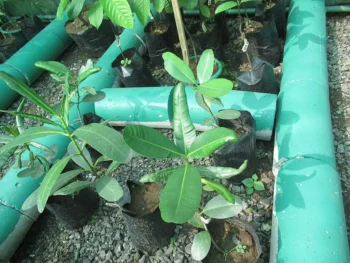
Calophyllum: A Tropical Beauty for Warm Climate Gardens
If you’re gardening in a warm, tropical climate and looking for a stunning shade tree with glossy foliage and fragrant blooms, calophyllum might just catch your eye. This attractive perennial shrub (though it can grow into a substantial tree) brings a touch of tropical elegance to landscapes, but there are some important things to know before you plant.
What is Calophyllum?
Calophyllum is a multi-stemmed woody plant that typically grows as a shrub, usually staying under 13-16 feet in height, though it can grow taller and even develop a single trunk under the right conditions. Think of it as nature’s way of giving you options – shrub or tree, depending on how you care for it and where you plant it.
Where Does Calophyllum Grow?
This plant has a somewhat complex native status that varies by location. It’s native to parts of the lower 48 states, the Pacific Basin (excluding Hawaii), and the U.S. Virgin Islands. However, it’s considered non-native in Hawaii, where it has naturalized and reproduces on its own in the wild. You’ll find calophyllum growing in Florida, Hawaii, Palau, Puerto Rico, and the Virgin Islands.
- Species observed
- No observations
Why Consider Calophyllum for Your Garden?
Calophyllum offers several appealing qualities that make it attractive to gardeners in suitable climates:
- Beautiful foliage: Large, glossy green leaves create an attractive canopy
- Fragrant flowers: White, sweetly scented blooms add sensory appeal
- Coastal tolerance: Can handle salt spray and coastal conditions
- Low maintenance: Once established, it’s relatively drought tolerant
- Pollinator friendly: The fragrant flowers attract bees and other beneficial insects
Growing Conditions and Care
Calophyllum thrives in USDA hardiness zones 10-12, making it suitable only for tropical and subtropical regions. Here’s what this tropical beauty needs to flourish:
- Light: Full sun to partial shade
- Soil: Well-draining soil; adaptable to various soil types
- Water: Regular watering when young, drought tolerant once established
- Climate: Warm, humid conditions year-round
Landscape Uses
Calophyllum works wonderfully as:
- A shade tree for patios and outdoor living spaces
- Coastal landscaping where salt tolerance is important
- An ornamental specimen tree in tropical gardens
- Part of a mixed tropical planting scheme
Things to Consider
Before planting calophyllum, keep in mind that it’s non-native in some areas where it’s commonly grown, like Hawaii. While we don’t discourage growing it, you might want to consider native alternatives that provide similar benefits while supporting local ecosystems. In areas where it is native, it can be an excellent choice for sustainable landscaping.
Since this plant can self-seed and naturalize in suitable climates, be mindful of its potential to spread beyond your intended planting area.
The Bottom Line
Calophyllum can be a lovely addition to tropical and subtropical gardens, offering attractive foliage, fragrant flowers, and relatively easy care. Just make sure you’re in the right climate zone (10-12) and consider whether native alternatives might better serve your local ecosystem. If you do choose calophyllum, you’ll be rewarded with a beautiful, low-maintenance plant that brings tropical flair to your landscape.