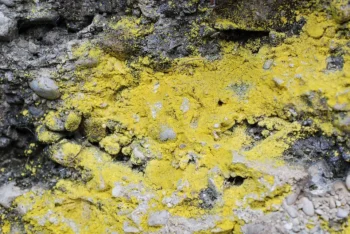
Discovering Caloplaca chrysodeta: The Tiny Golden Lichen in Your Garden
Have you ever noticed small, bright yellow or orange crusty patches on rocks, concrete walls, or tree bark in your garden? You might be looking at Caloplaca chrysodeta, a fascinating lichen that’s more common than you’d think! While most gardeners focus on flowering plants and shrubs, these tiny organisms play an important role in our outdoor spaces.
What Exactly Is Caloplaca chrysodeta?
Let’s clear up a common misconception first – Caloplaca chrysodeta isn’t actually a plant in the traditional sense. It’s a lichen, which is a remarkable partnership between a fungus and algae (or sometimes cyanobacteria) living together in perfect harmony. This particular species is also known by its scientific synonym, Leproplaca chrysodeta.
Think of lichens as nature’s ultimate roommates – the fungus provides structure and protection, while the algae produces food through photosynthesis. It’s a win-win arrangement that’s been working for millions of years!
Where You’ll Find This Golden Beauty
Caloplaca chrysodeta is native to North America and tends to favor areas with clean air – which makes it a great natural indicator of your local air quality. You’ll typically spot it growing on:
- Concrete walls and stone surfaces
- Rock faces and boulders
- Tree bark, particularly on older trees
- Limestone and other calcium-rich surfaces
How to Identify Caloplaca chrysodeta
Spotting this lichen is like finding tiny patches of sunshine on otherwise dull surfaces. Here’s what to look for:
- Color: Bright yellow to orange crusty patches
- Texture: Forms thin, crusty (crustose) layers that seem painted onto surfaces
- Size: Individual patches are usually small, just a few centimeters across
- Location: Typically found on hard, alkaline surfaces
Is It Beneficial to Have in Your Garden?
Absolutely! While you can’t exactly plant or cultivate Caloplaca chrysodeta (it does its own thing), having it appear naturally in your garden is actually a good sign. Here’s why you should welcome this tiny tenant:
- Air quality indicator: Its presence suggests you have relatively clean air
- Ecosystem support: Provides habitat for tiny insects and microorganisms
- Natural beauty: Adds subtle color and texture to otherwise plain surfaces
- Low maintenance: Requires absolutely no care from you!
What This Means for Your Garden
If you’ve discovered Caloplaca chrysodeta in your outdoor space, consider yourself lucky! This lichen appears naturally and indicates a healthy environment. Unlike invasive plants that might crowd out native species, lichens like this one are completely harmless and actually beneficial.
You don’t need to worry about:
- Removing it (it’s not invasive or harmful)
- Watering or fertilizing it
- Pruning or maintenance
- It spreading aggressively
Creating Lichen-Friendly Conditions
While you can’t plant lichens directly, you can create conditions that encourage their natural appearance:
- Avoid using harsh chemical cleaners on outdoor surfaces
- Maintain good air quality around your property
- Leave some natural stone or concrete surfaces undisturbed
- Reduce air pollution when possible
The Bottom Line
Caloplaca chrysodeta might not be the showstopper flower you planned to feature in your garden, but it’s a wonderful sign of a healthy outdoor environment. These tiny golden patches represent one of nature’s most successful partnerships and serve as living proof that your garden is supporting biodiversity in ways you might never have imagined.
So next time you spot those bright yellow crusty patches on your garden walls or trees, take a moment to appreciate this remarkable little organism. It’s been quietly doing its job long before your garden existed, and it’ll likely be there long after we’re gone – a true testament to the resilience and beauty of nature’s smaller wonders.