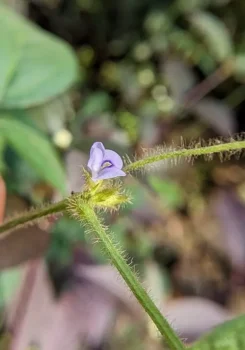
Calopogonium: A Tropical Legume with Limited Garden Appeal
If you’ve stumbled across the name calopogonium in your gardening research, you might be wondering what exactly this plant is and whether it deserves a spot in your garden. Let’s dive into this somewhat mysterious member of the legume family and explore what it brings to the table – or perhaps more importantly, what it doesn’t.
What Is Calopogonium?
Calopogonium is a perennial forb (that’s garden-speak for a non-woody plant that lives for multiple years) belonging to the legume family. Think of it as a herbaceous plant that lacks the woody stems of shrubs and trees, with its growing points nestled at or below ground level – a survival strategy that helps it weather tough conditions.
While calopogonium serves as both its botanical and common name, this plant doesn’t have the catalog of colorful nicknames that many popular garden plants enjoy. Sometimes simplicity is best, right?
Where Does Calopogonium Come From?
Here’s where things get interesting from a native gardening perspective. Calopogonium is native to Puerto Rico, but it has established itself as a non-native species in other parts of the Pacific Basin (excluding Hawaii), where it reproduces and persists in the wild without human intervention. Currently, you’ll find it growing in Palau and Puerto Rico.
- Species observed
- No observations
Should You Plant Calopogonium?
This is where we need to have an honest conversation. While calopogonium isn’t currently listed as invasive or noxious, its ability to establish and spread beyond its native range gives us pause. As native gardening enthusiasts, we always want to consider the bigger ecological picture.
The reality is that there’s limited information available about this plant’s specific garden performance, aesthetic appeal, or wildlife benefits. When a plant flies under the radar like this, it’s often because it doesn’t offer compelling reasons to choose it over better-known alternatives.
Native Alternatives to Consider
Instead of calopogonium, why not explore native legumes that are proven performers in sustainable landscapes? Depending on your region, consider these alternatives:
- Native wild lupines for their stunning flower spikes and nitrogen-fixing abilities
- Indigenous clover species that support local pollinators
- Regional native beans and peas that offer both beauty and function
- Local native groundcovers that provide similar coverage with greater ecological value
The Bottom Line
While calopogonium isn’t necessarily a bad plant, it’s not particularly compelling either – especially when weighed against the wealth of native alternatives available. As responsible gardeners, we’re better served by choosing plants with known benefits, established garden performance, and positive impacts on local ecosystems.
If you’re drawn to legumes for their nitrogen-fixing superpowers or ground-covering abilities, take some time to research what’s native to your specific area. Your local extension office or native plant society can point you toward regional treasures that will thrive in your conditions while supporting local wildlife.
Sometimes the most sustainable choice is simply to keep looking until you find the right native plant for the job – and trust us, it’s out there waiting for you!