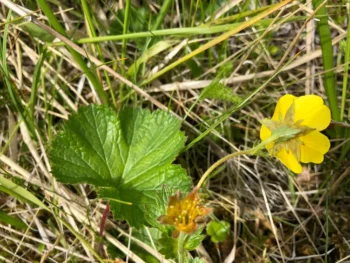
Calthaleaf Avens: A Hardy Native Gem for Cool Climate Gardens
If you’re looking for a tough, native perennial that can handle the chilliest corners of your garden, meet calthaleaf avens (Geum calthifolium). This unassuming little wildflower might not win any beauty contests, but it’s got character in spades and some serious cold-weather credentials that make it a valuable addition to the right garden.
What is Calthaleaf Avens?
Calthaleaf avens is a native North American perennial that belongs to the rose family. Don’t let that fool you though – this isn’t your grandmother’s rose garden variety. This hardy little forb (that’s botanist speak for a non-woody flowering plant) is built for survival in some pretty tough conditions.
The plant gets its name from its distinctive heart-shaped to kidney-shaped leaves that resemble those of marsh marigold (Caltha). You might also see it listed under its synonym Acomastylis calthifolia in some older gardening references.
Where Does It Call Home?
This cold-loving native has quite the northern address. Calthaleaf avens naturally grows throughout Alaska, British Columbia, and the Yukon Territory. If you’re gardening in these regions, you’re working with a true local that’s perfectly adapted to your climate challenges.
- Species observed
- No observations
Why Consider Calthaleaf Avens for Your Garden?
Here’s where this little plant really shines:
- Extreme cold hardiness: Hardy in USDA zones 2-6, this plant laughs at temperatures that would send other perennials packing
- Native pollinator support: The small yellow flowers provide nectar for native bees and other small pollinators
- Low maintenance: Once established, it’s quite self-sufficient
- Wetland tolerance: Classified as facultative wetland, meaning it’s happy in moist conditions but adaptable
Garden Design and Landscape Use
Calthaleaf avens isn’t going to be the star of your flower border, but it’s an excellent supporting player. This compact perennial works beautifully in:
- Rock gardens and alpine settings
- Native plant gardens focusing on northern species
- Naturalized areas with consistent moisture
- Ground cover in partially shaded, cool locations
The plant’s modest size and spreading habit make it ideal for filling in spaces between larger native perennials or creating drifts in naturalized settings.
Growing Conditions and Care
Think cool and moist and you’ll be on the right track with calthaleaf avens:
- Light: Partial shade to full sun (appreciates some afternoon shade in warmer areas)
- Soil: Moist, well-draining soil with good organic content
- Water: Consistent moisture is key – this isn’t a drought-tolerant plant
- Climate: Thrives in cool climates; may struggle in hot, humid conditions
Planting and Establishment Tips
Getting calthaleaf avens established requires some patience and attention to its preferences:
- Plant in spring after the last hard frost
- Choose a location that stays relatively cool and moist
- Amend heavy clay soils with organic matter for better drainage
- Mulch around plants to help retain soil moisture
- Be patient – like many native plants, it may take a season or two to fully establish
Is Calthaleaf Avens Right for Your Garden?
This native charmer is definitely not for everyone, but if you’re gardening in its native range or a similar climate, it could be a wonderful addition. Consider calthaleaf avens if you:
- Garden in zones 2-6 with consistently cool conditions
- Want to support native pollinators with regionally appropriate plants
- Have moist, partially shaded areas that need ground cover
- Enjoy the subtle beauty of native wildflowers
However, gardeners in warmer climates or those looking for showy, colorful displays might want to consider other options. This is definitely a plant for those who appreciate understated native beauty over flashy garden drama.
If calthaleaf avens sounds like a good fit for your cool-climate native garden, you’ll be rewarded with a tough, authentic piece of northern North American wilderness right in your own backyard.