Calymperes Moss: A Tiny Native Wonder You Might Never Notice
Have you ever wondered about those tiny green specks clinging to tree bark or rocks in humid, shady spots? Meet calymperes moss (Calymperes tenerum), one of North America’s more elusive native mosses that’s probably been hiding in plain sight all along.
What Exactly Is Calymperes Moss?
Calymperes moss is a small, terrestrial moss that belongs to a fascinating group of plants that have been around for millions of years. Unlike the flowering plants that dominate most gardens, this little moss doesn’t produce flowers, fruits, or seeds. Instead, it’s a simple but resilient plant that prefers to make its home attached to solid surfaces like tree bark, rocks, or even old wooden structures rather than growing directly in soil.
This moss goes by a few scientific aliases too – you might see it referenced as Calymperes nashii in older botanical texts, but rest assured, it’s the same tiny green character.
Where You’ll Find This Native Gem
Calymperes moss is a true North American native, with its primary stomping grounds in the warm, humid southeastern United States. You’re most likely to encounter it in states like Florida and along the Gulf Coast, where the climate provides the consistent warmth and humidity this moss craves.
Is It Good for Your Garden?
Here’s where things get interesting – and a bit challenging. While calymperes moss is undeniably beneficial for local ecosystems, it’s not exactly what you’d call garden-friendly. This moss has very specific requirements that make it nearly impossible to cultivate intentionally:
- Thrives only in USDA hardiness zones 8-11
- Requires consistently high humidity levels
- Needs warm temperatures year-round
- Prefers deep shade conditions
- Must have constant moisture without being waterlogged
The reality is that if your garden naturally supports calymperes moss, it will likely appear on its own. Trying to introduce it artificially is usually an exercise in frustration.
A Conservation Heads-Up
Before you get too excited about finding this moss, there’s something important to know: Calymperes tenerum has a Global Conservation Status of S2?, which indicates some level of conservation concern, though the exact status is undefined. This means if you’re lucky enough to spot it in your landscape, it’s best to appreciate it from a distance and avoid disturbing it.
How to Identify Calymperes Moss
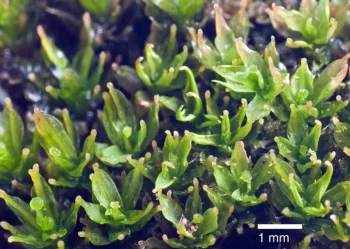
Spotting calymperes moss requires a keen eye and possibly a magnifying glass. Look for these characteristics:
- Tiny, densely packed leaves arranged in small clusters
- Growth attached to bark, rocks, or wood surfaces
- Preference for shaded, humid locations
- Small size – often less than an inch in overall spread
- Green coloration that may appear almost black when dry
The Bottom Line for Gardeners
Calymperes moss is one of those native species that’s better appreciated than cultivated. If you live in the right climate zone and maintain a naturally humid, shaded garden environment, you might be blessed with its spontaneous appearance. Rather than trying to grow it, focus on creating conditions that support native moss diversity in general – maintain shaded areas, avoid excessive cleanup of natural debris, and keep chemical treatments to a minimum.
Think of calymperes moss as nature’s way of adding tiny, intricate detail to your garden’s ecosystem. It may not provide the showy blooms or dramatic foliage that many gardeners seek, but it represents the quiet, often overlooked native biodiversity that makes local ecosystems truly complete.