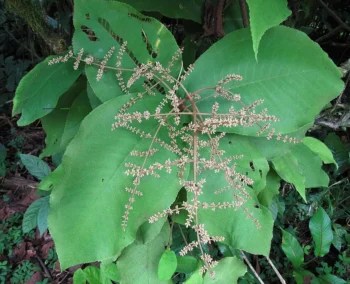
Camasey de Costilla: A Lesser-Known Caribbean Native Worth Discovering
If you’re looking to add some authentic Caribbean flair to your tropical garden, you might want to consider camasey de costilla (Miconia impetiolaris). This native shrub is one of those delightfully under-the-radar plants that doesn’t get much fanfare but deserves a spot in the conversation about Caribbean native landscaping.
What Exactly Is Camasey de Costilla?
Camasey de costilla is a perennial shrub that’s native to both Puerto Rico and the U.S. Virgin Islands. As a member of the Melastomataceae family (commonly known as the melastome family), it shares some DNA with other tropical beauties, though this particular species tends to fly under the radar compared to its showier cousins.
This multi-stemmed woody plant typically stays manageable in size, usually reaching less than 13 to 16 feet in height, making it a great choice for gardeners who want something substantial but not overwhelming. Like most shrubs, it develops several stems from near the ground, creating that classic bushy appearance we all love.
Where Does It Call Home?
This Caribbean native has a pretty exclusive address – you’ll find it naturally growing in Puerto Rico and the Virgin Islands. It’s what we call a regional endemic, meaning it’s perfectly adapted to the specific conditions of these beautiful islands.
- Species observed
- No observations
The Good, The Bad, and The Unknown
Here’s where things get a bit tricky with camasey de costilla – there’s honestly not a ton of readily available information about this particular species. It’s one of those plants that seems to have been overlooked by the horticultural world, which can be both frustrating and intriguing for adventurous gardeners.
What we do know is encouraging:
- It’s a true native, so it’s perfectly suited to Caribbean growing conditions
- It’s classified as Facultative Upland, meaning it prefers well-drained areas but can tolerate some moisture
- As a perennial shrub, it should provide year-round structure to your landscape
- It’s not listed as invasive or noxious, so you can plant it with a clear conscience
Growing Camasey de Costilla: What We Know
Given its native range, camasey de costilla is almost certainly best suited for USDA hardiness zones 10-11, where temperatures stay consistently warm year-round. If you’re gardening in the continental United States, this one’s probably only viable in southern Florida, Hawaii, or as a greenhouse plant.
Based on its wetland status as Facultative Upland, this shrub seems to prefer:
- Well-draining soil (it’s not a bog plant)
- Areas that don’t stay consistently wet
- Typical upland growing conditions
The Reality Check
Let’s be honest – camasey de costilla might be a bit of a challenge to source. It’s not exactly flying off the shelves at your local garden center, and detailed growing information is surprisingly scarce. This makes it more of a plant for the truly adventurous gardener or someone specifically focused on authentic Caribbean native landscaping.
If you’re determined to try growing this species, your best bet would be to connect with native plant societies in Puerto Rico or the Virgin Islands, or seek out specialists in Caribbean native flora.
Should You Plant It?
If you’re gardening in its native range and can source it responsibly, camasey de costilla could be a wonderful addition to a native Caribbean landscape. It’s a true local and would contribute to preserving the region’s botanical heritage.
For gardeners outside the Caribbean, this might be a pass simply due to sourcing challenges and limited growing information. There are plenty of other tropical shrubs that might better suit your needs and are more readily available.
That said, if you’re a collector of rare or unusual plants and you happen to come across camasey de costilla, it could be a fascinating addition to your tropical plant collection – just be prepared for a bit of trial and error in figuring out its preferences!