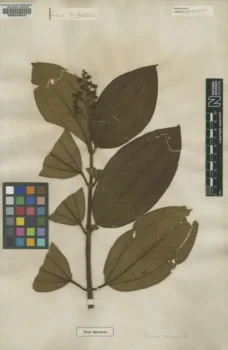
Camasey Felpa: A Hidden Gem for Puerto Rican Native Gardens
If you’re looking to add authentic Caribbean charm to your Puerto Rican garden while supporting local wildlife, let me introduce you to camasey felpa (Miconia racemosa). This delightful native shrub might not be the showiest plant in the garden center, but it’s exactly the kind of unsung hero that makes tropical native gardens truly special.
What is Camasey Felpa?
Camasey felpa is a perennial shrub that’s as Puerto Rican as it gets – it’s actually native to our beautiful island! This multi-stemmed woody plant typically grows to about 13-16 feet tall, though it can sometimes stretch a bit higher or stay more compact depending on where you plant it. Think of it as the perfect middle-ground shrub: not too big, not too small, but just right for most landscape situations.
Where Does It Grow?
This lovely shrub calls Puerto Rico home, where it has been thriving long before any of us were around to appreciate it. You’ll find camasey felpa growing naturally throughout the island, making it perfectly adapted to our local climate and conditions.
- Species observed
- No observations
Why Your Garden (and Local Wildlife) Will Love It
Here’s where camasey felpa really shines – it’s a pollinator magnet! Those small, delicate white to pink flowers arranged in beautiful terminal clusters (botanists call them racemes, but let’s just say they’re pretty flower spikes) are absolutely irresistible to native bees, butterflies, and other small pollinators. Your garden will practically buzz with activity when this shrub is in bloom.
The glossy green leaves provide year-round interest and create wonderful texture in the landscape. Plus, since it’s a native plant, it fits seamlessly into the natural ecosystem, supporting the birds, insects, and other wildlife that call Puerto Rico home.
Perfect Spots for Planting
Camasey felpa is wonderfully versatile and works beautifully in several garden situations:
- Native plant gardens where you want to showcase Puerto Rico’s natural heritage
- Rain gardens or areas that stay moist during heavy downpours
- Naturalized landscape areas where you want a more wild, authentic look
- As an understory plant beneath taller native trees
- Mixed shrub borders for year-round structure
Growing Conditions That Make It Happy
One of the best things about choosing native plants is that they’re already perfectly suited to our local conditions. Camasey felpa is no exception! Here’s what it loves:
- Light: Partial shade to full sun – it’s quite adaptable
- Soil: Moist, well-draining soils (it’s actually classified as a facultative wetland plant, meaning it’s happy in wet spots but can handle drier conditions too)
- Climate: Perfect for USDA zones 10-12, which covers our tropical and subtropical climate beautifully
Planting and Care Tips
The beauty of native plants like camasey felpa is that they don’t need much fussing once they’re established. Here are some simple tips for success:
- Planting: Choose a spot with good drainage but don’t worry if it stays a bit moist – this plant can handle it
- Mulching: A layer of organic mulch around the base helps retain moisture and suppress weeds
- Watering: Water regularly during the first growing season to help establish roots, then it should be quite self-sufficient
- Pruning: Light pruning after flowering can help maintain shape, but it’s not strictly necessary
- Maintenance: Generally low-maintenance once established – just the way we like it!
Should You Plant Camasey Felpa?
If you’re gardening in Puerto Rico and want to support native wildlife while adding authentic local character to your landscape, camasey felpa is definitely worth considering. It’s not invasive, it’s not rare to the point of being difficult to source responsibly, and it’s perfectly adapted to our climate.
This shrub is especially wonderful if you’re creating a native plant garden, dealing with areas that stay moist, or simply want to attract more pollinators to your space. While it might not have the dramatic blooms of some exotic plants, its understated beauty and ecological benefits make it a valuable addition to any Puerto Rican garden.
Plus, there’s something deeply satisfying about growing plants that truly belong here – it’s like welcoming an old friend into your garden!