Cambustera de Costa: A Charming Native Vine for Tropical Gardens
If you’re looking for a delightful native plant that brings both beauty and ecological value to your tropical garden, let me introduce you to cambustera de costa (Jacquemontia solanifolia). This charming little vine might not be the showiest plant in the garden center, but it’s got personality and purpose that make it worth considering for the right space.
What Exactly is Cambustera de Costa?
Cambustera de costa is a perennial flowering vine that’s part of the morning glory family. As a native species of Puerto Rico and the U.S. Virgin Islands, this plant has adapted perfectly to Caribbean growing conditions. It’s what botanists call a forb herb – basically, it’s a soft-stemmed plant without woody tissue, making it quite different from shrubs or trees.
You might also encounter this plant under its scientific name, Jacquemontia solanifolia, or its botanical synonyms Exogonium solanifolium or Ipomoea solanifolia in older gardening references.
Where Does It Grow Naturally?
This native beauty calls Puerto Rico and the U.S. Virgin Islands home. It’s perfectly adapted to the warm, tropical climate of these Caribbean islands, thriving in the region’s unique growing conditions.
- Species observed
- No observations
Why You Might Want to Grow Cambustera de Costa
There are several compelling reasons to consider adding this native vine to your garden:
- Native plant benefits: As a true native, it supports local ecosystems and requires fewer resources once established
- Pollinator magnet: The small, trumpet-shaped flowers attract butterflies, bees, and other beneficial pollinators
- Low maintenance: Once established, it’s quite drought tolerant and requires minimal care
- Versatile growth habit: Can be used as ground cover, container trailing plant, or climbing vine
- Year-round interest: As a perennial, it provides lasting structure and seasonal blooms
What Does It Look Like?
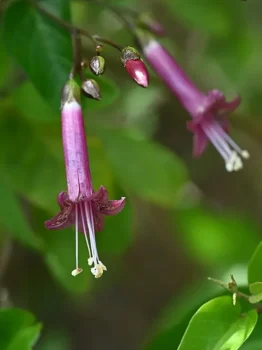
Cambustera de costa produces delicate, morning glory-like flowers in shades of blue or purple. The heart-shaped leaves create an attractive backdrop for the blooms, and the plant has a trailing or climbing growth habit that makes it quite versatile in the landscape. While it may not be as bold as some tropical showstoppers, its subtle charm grows on you.
Perfect Garden Situations
This native vine works beautifully in several garden settings:
- Tropical and subtropical gardens: Thrives in warm, humid conditions
- Coastal landscapes: Tolerates salt spray and sandy soils
- Container gardens: Excellent trailing plant for hanging baskets or tall planters
- Naturalized areas: Perfect for wildlife gardens or natural landscape areas
- Small space gardens: Doesn’t require a lot of room to make an impact
Growing Conditions and Care
The beauty of growing a native plant like cambustera de costa is that it’s naturally suited to local conditions. Here’s what it prefers:
Climate Requirements
This plant is suited for USDA hardiness zones 10-11, making it perfect for tropical and subtropical regions. If you live outside these zones, you might be able to grow it as an annual or in containers that can be brought indoors during colder months.
Light and Soil Needs
- Sunlight: Prefers full sun to partial shade
- Soil: Well-draining soil is essential; adapts to various soil types including sandy coastal soils
- Water: Drought tolerant once established, but appreciates regular watering during establishment
Planting and Maintenance Tips
- Plant after the last frost when soil has warmed
- Space plants appropriately based on your intended use (ground cover vs. climbing vine)
- Provide support if you want it to climb
- Prune occasionally to maintain shape and encourage new growth
- Minimal fertilization needed – natives typically don’t require heavy feeding
A Few Considerations
While cambustera de costa is generally easy to grow, there are a few things to keep in mind:
- It’s specifically adapted to tropical conditions, so cold tolerance is limited
- Like many vines, it may need occasional pruning to keep it in bounds
- Best suited for gardeners in its native range or similar climates
The Bottom Line
Cambustera de costa might not be the flashiest plant in your garden, but it brings authentic native character and ecological value that’s hard to beat. If you’re gardening in Puerto Rico, the U.S. Virgin Islands, or similar tropical climates, this charming vine offers an easy-care option that supports local wildlife while adding delicate beauty to your landscape.
For those outside its native range, consider it for container growing or seek out native alternatives that provide similar benefits in your local ecosystem. After all, the best gardens work with nature, not against it!