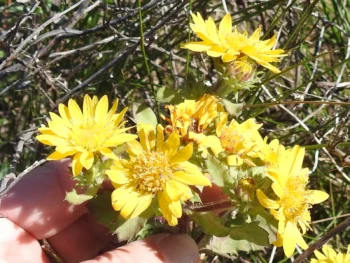
Camphor Daisy: A Cheerful Native Annual for Low-Maintenance Gardens
Looking for a native wildflower that’s as tough as it is charming? Meet the camphor daisy (Rayjacksonia phyllocephala), a delightful annual that brings sunny yellow blooms to gardens across the South-central United States. This unassuming little forb might not be the showiest plant in your garden, but it more than makes up for it with reliability, native credentials, and pollinator appeal.
What Makes Camphor Daisy Special?
As a true native of the lower 48 states, camphor daisy has earned its place in the American landscape through centuries of adaptation. This annual forb—basically a non-woody herbaceous plant—produces clusters of small, bright yellow daisy-like flowers that add a cheerful pop of color to any naturalized setting.
The plant gets its common name from the subtle aromatic quality of its foliage, though don’t expect an overwhelming scent. It’s more of a pleasant, earthy fragrance that adds another layer of sensory interest to your garden.
Where Does Camphor Daisy Call Home?
Camphor daisy is naturally found across Colorado, Florida, Louisiana, and Texas, thriving in the diverse climates and soil conditions these states offer. This wide geographic distribution is a testament to the plant’s adaptability and resilience.
- Species observed
- No observations
Why Grow Camphor Daisy in Your Garden?
There are several compelling reasons to consider adding this native annual to your landscape:
- Native plant benefits: Support local ecosystems and wildlife with a plant that belongs in your region
- Low maintenance: Once established, camphor daisy requires minimal care and watering
- Pollinator magnet: The small yellow flowers attract bees, butterflies, and other beneficial insects
- Drought tolerance: Perfect for xeriscaping and water-wise gardening
- Self-seeding: As an annual, it often reseeds itself for next year’s display
Perfect Garden Settings
Camphor daisy shines in several garden styles:
- Native wildflower gardens: Blends beautifully with other indigenous species
- Naturalized landscapes: Creates that wild meadow look without being invasive
- Xeriscaping projects: Thrives in low-water garden designs
- Pollinator gardens: Provides nectar and pollen for beneficial insects
- Rock gardens: Handles well-drained, challenging conditions
Growing Camphor Daisy Successfully
The good news? Camphor daisy is refreshingly easy to grow. Here’s what you need to know:
Growing Conditions
- Sunlight: Full sun is ideal for best flowering
- Soil: Well-drained soils of various types; avoid waterlogged conditions
- Water: Drought tolerant once established; minimal watering needed
- USDA Hardiness Zones: Zones 7-10
Planting and Care Tips
Getting started with camphor daisy couldn’t be simpler:
- Direct seeding: Sow seeds directly in the garden in fall or early spring
- Timing: Plant after the last frost date in your area
- Spacing: Allow adequate space for natural spreading
- Watering: Water gently until seedlings establish, then reduce frequency
- Maintenance: Minimal care required; deadheading can extend blooming
A Few Considerations
While camphor daisy is generally trouble-free, keep these points in mind:
- As an annual, you’ll need to replant each year (though it often self-seeds)
- The flowers are relatively small, so plant in groups for visual impact
- It may not compete well with aggressive weeds in highly disturbed soils
The Bottom Line
Camphor daisy represents everything we love about native plants: it’s adapted to local conditions, supports wildlife, requires minimal resources, and adds genuine charm to the garden. Whether you’re creating a wildflower meadow, designing a drought-tolerant landscape, or simply want to support local pollinators, this cheerful little annual deserves a spot in your garden.
Plus, there’s something deeply satisfying about growing a plant that truly belongs in your region. Camphor daisy isn’t just surviving in your garden—it’s thriving exactly where nature intended it to be.