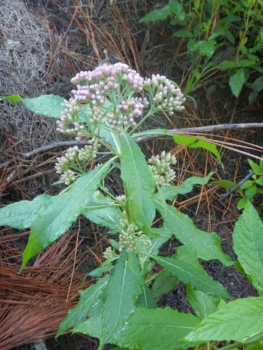
Camphor Pluchea: A Fragrant Native for Wet Spots in Your Garden
If you’ve been searching for a native plant that thrives in those soggy spots where other flowers fear to tread, meet camphor pluchea (Pluchea camphorata). This unassuming wetland wildflower might not win any beauty contests, but it’s a workhorse that deserves a spot in every wildlife-friendly garden.
What Exactly Is Camphor Pluchea?
Camphor pluchea is a native forb – that’s garden-speak for a non-woody flowering plant – that grows throughout much of the eastern and central United States. True to its name, this plant gives off a distinctive camphor-like fragrance when you brush against its leaves, making it easy to identify even when it’s not in bloom.
This versatile native can behave as either an annual or perennial depending on growing conditions, which makes it adaptable to various garden situations. Don’t let its humble appearance fool you – this plant is a valuable contributor to native ecosystems.
Where Does Camphor Pluchea Call Home?
As a true native of the lower 48 states, camphor pluchea has quite an impressive range. You’ll find it naturally occurring across 25 states, including Alabama, Arkansas, Delaware, Florida, Georgia, Illinois, Indiana, Kansas, Kentucky, Louisiana, Maryland, Mississippi, Missouri, New Jersey, North Carolina, Ohio, Oklahoma, Pennsylvania, Rhode Island, South Carolina, Tennessee, Texas, Virginia, West Virginia, and Wisconsin.
- Species observed
- No observations
This wide distribution tells us something important: camphor pluchea is adaptable and resilient, making it a reliable choice for gardeners across much of the country.
A Word of Caution: Rarity Concerns
Before you rush out to plant camphor pluchea, there’s something important to know. In New Jersey, this species has a rarity status of Highlands Listed, SX.1, which indicates conservation concerns in that region. If you’re gardening in areas where this plant is rare, please only source it from reputable native plant nurseries that propagate their own stock rather than wild-collecting.
Why Your Wet Garden Spots Will Love This Plant
Camphor pluchea is what botanists call a facultative wetland plant across all regions of its range. In plain English, this means it usually prefers wet feet but can tolerate drier conditions if needed. This makes it perfect for:
- Rain gardens that collect runoff
- Pond or stream margins
- Low-lying areas that stay moist
- Bog gardens or wetland restorations
- Areas with seasonal flooding
Growing Camphor Pluchea Successfully
The good news about camphor pluchea is that it’s relatively low-maintenance once you understand its preferences. This native thrives in USDA hardiness zones 4-9, making it suitable for most temperate gardens.
For best results, plant camphor pluchea in full sun to partial shade in consistently moist to wet soil. It’s particularly happy in areas that experience seasonal flooding – those spots where you might struggle to grow other flowers will be perfect for this adaptable native.
Once established, camphor pluchea tends to be quite self-sufficient. It may self-seed readily in ideal conditions, which is great news if you’re trying to establish a naturalized wetland area.
The Wildlife Connection
While camphor pluchea might not be the showiest flower in your garden, it pulls its weight when it comes to supporting local wildlife. The small, clustered flower heads attract various native pollinators, including small native bees and butterflies. As a native plant, it’s also likely to support native insects throughout its life cycle, contributing to the complex web of relationships that healthy ecosystems depend on.
Garden Design Ideas
Camphor pluchea works best in naturalistic garden settings rather than formal flower beds. Consider it for:
- Wildlife gardens where ecological function trumps flashy blooms
- Native plant gardens focused on regional flora
- Wetland restoration projects
- Rain gardens designed to manage stormwater
- Naturalized areas where you want low-maintenance native coverage
The Bottom Line
Camphor pluchea may not be the most glamorous native plant, but it’s exactly the kind of reliable, hardworking species that forms the backbone of healthy ecosystems. If you have wet or seasonally flooded areas in your landscape, this fragrant native deserves serious consideration.
Just remember to source it responsibly, especially if you’re gardening in regions where it’s become rare. When we choose native plants like camphor pluchea, we’re not just solving garden challenges – we’re helping to preserve the intricate relationships between plants and wildlife that make our local ecosystems thrive.