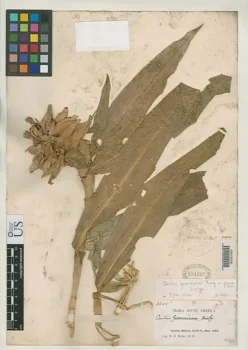
Cana de India: A Native Puerto Rican Treasure for Your Garden
If you’re looking to add authentic Caribbean flair to your landscape, meet Costus guanaiensis, commonly known as cana de India. This fascinating perennial herb brings a slice of Puerto Rico’s natural beauty right to your backyard, though you might need to do a bit of detective work to find one!
What Makes Cana de India Special?
Cana de India is a true Puerto Rican native, which means it has evolved specifically to thrive in Caribbean conditions. As a member of the Costus family, this perennial forb brings that tropical wow factor that many gardeners crave. Unlike woody shrubs or trees, this herbaceous plant maintains a softer, more flexible structure while still providing lasting presence in your garden year after year.
Where Does It Call Home?
This charming plant is endemic to Puerto Rico, making it a perfect choice for gardeners in the Caribbean region who want to celebrate their local flora. Its natural range is quite limited, which adds to its special character as a truly regional treasure.
- Species observed
- No observations
Garden Role and Landscape Potential
While specific details about cana de India’s appearance are limited in available sources, its classification as a forb herb suggests it would work beautifully in several garden settings:
- Native plant gardens focused on Caribbean species
- Tropical and subtropical landscapes
- Rain gardens and moisture-loving plant collections
- Educational or botanical gardens showcasing regional flora
Water-Loving Nature
Here’s where things get interesting! Cana de India is classified as a Facultative Wetland plant in the Caribbean region. This fancy term simply means it’s quite happy in wet conditions but won’t throw a tantrum if things dry out occasionally. Think of it as the adaptable friend who’s equally comfortable at a pool party or a desert hike.
This flexibility makes it an excellent candidate for:
- Areas with inconsistent rainfall
- Spots that stay moist but not waterlogged
- Transition zones between wet and dry areas of your landscape
Growing Cana de India: The Challenge
Here’s where we need to be honest – finding specific growing information for Costus guanaiensis is like searching for buried treasure. This plant seems to be one of nature’s well-kept secrets, with limited cultivation information available. However, we can make some educated guesses based on its native habitat and plant family characteristics.
Best Guesses for Care
While we wait for more detailed growing guides to emerge, consider these general approaches:
- Moisture: Given its wetland status, consistent moisture is likely key
- Climate: Being Puerto Rican native, it probably prefers warm, humid conditions
- Hardiness: Likely suited for tropical and subtropical zones (specific USDA zones unknown)
- Soil: Probably appreciates rich, organic matter with good drainage despite moisture needs
The Bottom Line
Cana de India represents an exciting opportunity for adventurous gardeners, especially those in Puerto Rico or similar climates. While information is scarce, that just makes it more of a gardening adventure! If you’re lucky enough to find this plant, you’d be growing a true piece of Caribbean natural heritage.
For gardeners outside Puerto Rico or those seeking better-documented alternatives, consider exploring other Costus species or well-known tropical natives from your region. Sometimes the most rewarding garden discoveries come from plants that haven’t made it into every gardening book yet!
Have you encountered cana de India in the wild or in cultivation? We’d love to hear about your experiences with this mysterious Puerto Rican native!