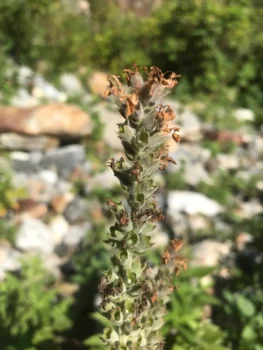
Canada Germander: A Hardy Native Groundcover for Your Garden
If you’re looking for a low-maintenance native plant that can handle a variety of conditions while supporting local wildlife, Canada germander (Teucrium canadense var. canadense) might just be the perfect addition to your garden. This unassuming perennial herb packs quite a punch when it comes to ecological benefits and garden versatility.
What Makes Canada Germander Special?
Canada germander is a true North American native, belonging to the mint family. As a perennial forb, it lacks the woody stems of shrubs but returns year after year with reliable vigor. Don’t let its humble appearance fool you – this plant is a workhorse in the native garden world.
You might also encounter this plant listed under several scientific synonyms, including Teucrium canadense var. angustatum, Teucrium canadense var. littorale, Teucrium canadense var. virginicum, or Teucrium littorale, but they all refer to the same wonderful native species.
Where Does Canada Germander Call Home?
This adaptable native has one of the most impressive natural ranges you’ll find. Canada germander grows wild across most of the United States and into Canada, from the Maritime provinces all the way down to the Gulf Coast. You can find it thriving in states from Maine to Florida, and from the Atlantic coast west to Arizona and New Mexico. It’s equally at home in Ontario and Alabama – now that’s what we call adaptable!
- Species observed
- No observations
Garden Appeal and Design Role
Canada germander brings subtle beauty to the garden with its small, tubular pink to purple flowers that bloom in terminal spikes during summer. The serrated leaves add nice texture, and the plant’s low, spreading habit makes it excellent for:
- Groundcover in native plant gardens
- Naturalizing woodland edges
- Adding texture to meadow gardens
- Creating habitat in wildlife gardens
While it won’t win any beauty contests against flashy ornamentals, its quiet charm and ecological value make it a standout choice for gardeners who appreciate function alongside form.
Wildlife and Pollinator Benefits
Here’s where Canada germander really shines! Those small flowers are absolute magnets for pollinators. Bees, butterflies, and other beneficial insects flock to the nectar-rich blooms throughout the summer months. By planting Canada germander, you’re essentially setting up a pollinator buffet that supports the local ecosystem.
Growing Conditions and Care
One of the best things about Canada germander is how easygoing it is. This native thrives in USDA hardiness zones 3 through 9, making it suitable for most North American gardens. Here’s what it prefers:
- Light: Partial shade to full sun (quite flexible!)
- Soil: Moist to wet soils, though it adapts to various soil types
- Water: Consistent moisture is ideal, but it’s fairly drought-tolerant once established
- Maintenance: Very low – just let it do its thing!
Planting and Care Tips
Canada germander is refreshingly low-maintenance. Once you get it established, it largely takes care of itself. The plant spreads naturally through underground rhizomes, gradually forming colonies – perfect for filling in naturalized areas.
Plant it in spring after the last frost, giving it consistent water during its first growing season. After that, you can pretty much sit back and enjoy watching it support local wildlife while requiring minimal intervention from you.
Is Canada Germander Right for Your Garden?
This native is ideal if you:
- Want to support local pollinators and wildlife
- Prefer low-maintenance plants
- Are creating a native plant garden
- Need groundcover for naturalized areas
- Appreciate subtle, natural beauty over flashy displays
Canada germander might not be the showstopper of your garden, but it’s definitely the reliable friend that makes everything else look better while quietly doing important ecological work. For native plant enthusiasts and wildlife gardeners, it’s a no-brainer addition that brings authentic North American character to any landscape.