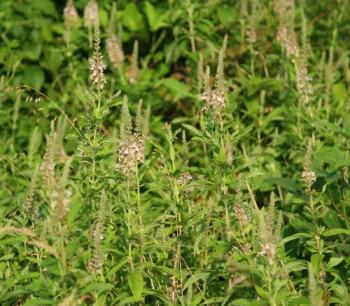
Canada Germander: A Hidden Gem for Southeastern Native Gardens
If you’re looking to add a touch of understated elegance to your native plant garden, let me introduce you to Canada germander (Teucrium canadense var. hypoleucum). This charming southeastern native might not be the showiest flower in the garden, but it’s definitely one of the most reliable—and your local pollinators will thank you for it!
What is Canada Germander?
Canada germander is a perennial forb that belongs to the mint family, though it’s much more well-behaved than some of its notorious spreading cousins. As an herbaceous perennial, it dies back to the ground each winter and returns faithfully each spring, making it a dependable addition to any garden that values consistency.
You might occasionally see this plant listed under its scientific synonyms, including Teucrium canadense var. nashii or Teucrium nashii, but they’re all referring to the same delightful native.
Where Does Canada Germander Call Home?
This variety of Canada germander is truly a child of the Southeast, naturally occurring across Alabama, Florida, Georgia, Mississippi, North Carolina, and South Carolina. It’s perfectly adapted to the climate and growing conditions of these states, making it an excellent choice for gardeners who want to work with nature rather than against it.
- Species observed
- No observations
Why Your Garden (and Local Wildlife) Will Love It
Canada germander might be subtle, but it’s certainly not boring. Here’s what makes this native worth considering:
- Pollinator magnet: The small, tubular white to pale pink flowers arranged in terminal spikes are perfectly sized for bees, butterflies, and other beneficial insects
- Aromatic foliage: Like many mint family members, the leaves have a pleasant fragrance when brushed or crushed
- Low maintenance: Once established, this perennial is remarkably self-sufficient
- Extended bloom period: Flowers typically appear in summer and can continue into early fall
- Native authenticity: Supporting local ecosystems while reducing maintenance needs
Perfect Garden Companions and Settings
Canada germander isn’t trying to be the star of the show—it’s more of a supporting actor that makes everyone else look better. It works wonderfully in:
- Native plant gardens and naturalized areas
- Woodland edges and transition zones
- Pollinator gardens where you want continuous, subtle blooms
- Mixed perennial borders where it can weave between showier plants
- Rain gardens and areas with variable moisture
Growing Canada Germander Successfully
One of the best things about native plants is that they’re already adapted to succeed in your local conditions. Canada germander is particularly forgiving and adaptable.
Hardiness and Climate
This southeastern native thrives in USDA hardiness zones 7-10, which aligns perfectly with its natural range. If you’re gardening in these zones, you’re already ahead of the game!
Light and Soil Requirements
Canada germander is refreshingly flexible about its growing conditions:
- Light: Partial shade to full sun (though it appreciates some afternoon shade in hotter climates)
- Soil: Adapts to various soil types, from moist to moderately dry
- Drainage: Prefers well-draining soil but can tolerate occasional wet periods
Planting and Care Tips
Getting Canada germander established is straightforward:
- Planting time: Spring or fall are ideal for establishment
- Spacing: Allow adequate room for natural spreading
- Watering: Regular water the first year, then drought-tolerant once established
- Fertilizing: Native plants typically don’t need fertilization—your local soil is already perfect
- Maintenance: Cut back in late winter before new growth emerges
A Few Things to Keep in Mind
Like many members of the mint family, Canada germander can spread via underground rhizomes. This isn’t necessarily a bad thing—it makes excellent ground cover and helps prevent erosion—but it’s something to plan for in smaller garden spaces.
Also, while this plant is generally pest and disease-free, it’s always wise to source plants from reputable native plant nurseries to ensure you’re getting true-to-type specimens that will thrive in your specific location.
The Bottom Line
Canada germander proves that native plants don’t have to be flashy to be valuable. This reliable perennial offers subtle beauty, supports local wildlife, and asks for very little in return. If you’re gardening in the Southeast and want to add a dependable, eco-friendly plant that connects your landscape to the natural heritage of your region, Canada germander deserves a spot in your garden.
Sometimes the best garden plants are the ones that quietly do their job, season after season, without demanding attention. Canada germander is exactly that kind of garden friend—and isn’t that exactly what we all need more of?