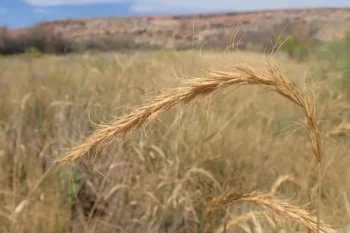
Canada Wildrye: The Prairie Grass That’s Perfect for Low-Maintenance Landscapes
Looking for a native grass that can handle almost anything Mother Nature throws at it? Meet Canada wildrye (Elymus canadensis), a tough-as-nails perennial that’s been quietly beautifying North American landscapes long before ornamental grasses became trendy. This unassuming prairie native might just be the perfect addition to your low-maintenance garden.
What Makes Canada Wildrye Special?
Canada wildrye is a true North American native, naturally occurring across an impressive range that spans from coast to coast and border to border. You’ll find this adaptable grass growing wild in nearly every U.S. state and Canadian province, from the windswept prairies of Saskatchewan to the coastal plains of South Carolina.
- Species observed
- No observations
This widespread distribution tells you everything you need to know about Canada wildrye’s adaptability. It’s a plant that has learned to thrive in diverse conditions, making it an excellent choice for gardeners who want beautiful results without constant fussing.
Garden Appeal and Design Potential
Don’t let the name fool you – Canada wildrye brings plenty of visual interest to the garden. This bunch-forming grass grows in an upright, erect habit, reaching about 3 feet tall at maturity. Its coarse-textured, green foliage provides excellent contrast against finer-leaved plants, while its rapid growth rate means you won’t wait years to see results.
During late spring, Canada wildrye produces yellow flowers that, while not particularly showy, add subtle color to the landscape. The real show comes from the grass’s overall form and texture, which creates movement and rustling sounds that bring your garden to life.
Where Canada Wildrye Shines in Your Landscape
This versatile grass excels in several garden settings:
- Prairie and naturalized gardens: Perfect for creating authentic native plant communities
- Rain gardens: Its facultative wetland status means it can handle both wet and dry conditions
- Erosion control: The robust root system helps stabilize slopes and disturbed areas
- Screening and backdrop plantings: Creates natural privacy screens or backgrounds for shorter plants
- Low-maintenance landscapes: Ideal for areas where you want beauty without intensive care
Growing Conditions: Easy Does It
One of Canada wildrye’s greatest strengths is its adaptability to various growing conditions. This grass is remarkably unfussy about soil type, thriving in coarse, medium, or fine-textured soils. It prefers pH levels between 5.0 and 7.9, which covers most garden soils without amendment.
Here’s what Canada wildrye can handle:
- Sunlight: Shade tolerant, though it performs best in full sun to partial shade
- Water needs: Medium moisture requirements with good drought tolerance once established
- Temperature range: Hardy in USDA zones 2-9, tolerating temperatures as low as -43°F
- Soil drainage: Facultative wetland status means it adapts to both wet and dry conditions
Planting and Care Tips
Canada wildrye is refreshingly simple to establish and maintain. Here’s how to succeed:
Starting from seed: This grass is typically grown from seed, which is readily available from native plant suppliers. With about 114,000 seeds per pound, a little goes a long way. Seeds germinate well and seedlings show high vigor, making establishment relatively easy.
When to plant: Spring seeding works best, allowing the grass to establish during its active growing period of spring, summer, and fall.
Maintenance: Once established, Canada wildrye requires minimal care. It has moderate regrowth ability after cutting and doesn’t spread aggressively, maintaining a well-behaved bunch form. The grass is short-lived but readily self-seeds in suitable conditions.
Seasonal interest: While not particularly showy in fall, Canada wildrye provides year-round structure. Cut back in late winter before new growth begins.
Wildlife and Ecological Benefits
Beyond its garden appeal, Canada wildrye serves important ecological functions. As a native species, it supports local wildlife food webs in ways that non-native ornamental grasses cannot. The seeds provide food for various bird species and small mammals, while the dense foliage offers nesting sites and cover.
Its ability to grow in both wetland and upland conditions makes it valuable for habitat restoration projects and for gardeners interested in supporting local ecosystems.
Is Canada Wildrye Right for Your Garden?
Canada wildrye is an excellent choice if you’re looking for:
- A low-maintenance native grass
- Natural-looking plantings with ecological value
- Plants for challenging sites with variable moisture
- Texture and movement in the garden
- Quick establishment and rapid growth
However, you might want to consider other options if you need a long-lived perennial (Canada wildrye has a relatively short lifespan) or if you’re looking for spectacular flowers or fall color.
Canada wildrye may not be the flashiest plant in the native garden, but it’s certainly one of the most reliable. For gardeners who appreciate the subtle beauty of native grasses and want to support local ecosystems while creating beautiful, low-maintenance landscapes, this prairie native delivers on all counts. Sometimes the best garden plants are the ones that simply do their job well – and Canada wildrye excels at that.