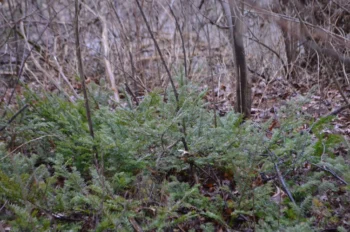
Canada Yew: A Hardy Native Groundcover for Shady Spots
Meet the Canada yew (Taxus canadensis), a tough little evergreen that’s been quietly carpeting the forest floors of eastern North America for centuries. This low-growing native shrub might not win any flashy flower contests, but it’s got serious staying power and brings year-round structure to challenging shady areas where many other plants fear to tread.
What Makes Canada Yew Special?
Canada yew is a perennial evergreen shrub that typically stays under 5 feet tall, making it perfect for groundcover duties. With its fine-textured, dark green needles that stay put all winter long, this hardy native provides consistent color and texture when most of the garden has gone dormant. The plant produces small red berries (though the seeds and foliage are toxic, so keep that in mind), and while the yellow flowers aren’t particularly showy, they get the job done through wind pollination.
Where Does Canada Yew Call Home?
This adaptable native has quite the range, stretching across eastern North America from the Maritime provinces of Canada down through the Great Lakes region and into the mountains of the southeastern United States. You’ll find Canada yew growing naturally in states and provinces including Manitoba, Ontario, Quebec, Maine, Vermont, New Hampshire, Massachusetts, Connecticut, New York, Pennsylvania, Michigan, Wisconsin, Minnesota, and many others.
- Species observed
- No observations
In New Jersey, Canada yew has a rarity status of S2, meaning it’s imperiled in the state, so if you’re gardening there, make sure to source your plants responsibly from reputable native plant nurseries.
Perfect Spots for Canada Yew
Canada yew thrives in USDA hardiness zones 2-6, making it one tough customer when it comes to cold weather (it can handle temperatures down to -28°F!). This shade-loving shrub is ideal for:
- Woodland gardens and naturalized areas
- Understory plantings beneath large trees
- North-facing slopes and other challenging shady spots
- Native plant gardens focused on regional species
- Areas where you need year-round evergreen coverage
Growing Conditions Canada Yew Loves
One of the best things about Canada yew is how easygoing it is about growing conditions, as long as you give it what it really wants:
- Light: Shade tolerant – this plant actually prefers partial to full shade
- Soil: Adapts to fine-textured soils, prefers slightly acidic to neutral pH (5.3-7.5)
- Moisture: Medium moisture needs, can handle some drought once established
- Drainage: Well-draining soil is important, though it can tolerate some wetland conditions
- Fertility: Low fertility requirements – no need to pamper this one!
Planting and Care Tips
Canada yew is refreshingly low-maintenance once you get it established. Here’s how to set it up for success:
- Planting: Best planted as container-grown or bare-root specimens from nurseries
- Spacing: Plant 1,200-4,800 per acre depending on your coverage goals
- Growth rate: Moderate growth rate, reaching about 5 feet in height and width at maturity
- Pruning: Tolerates pruning well if you need to keep it in bounds
- Propagation: Can be grown from cuttings, though seeds require cold stratification and have low vigor
Wildlife and Ecological Benefits
While Canada yew may not be a major pollinator magnet due to its wind-pollinated flowers, it serves important ecological functions. The dense evergreen foliage provides year-round shelter for small wildlife, and some birds do eat the berries (though remember, the seeds are toxic to humans and many animals).
Is Canada Yew Right for Your Garden?
Canada yew is an excellent choice if you’re looking for a native, low-maintenance evergreen groundcover for shady areas. It’s particularly valuable for gardeners who want to support native ecosystems while solving the challenge of what to plant in those tricky shaded spots. The fact that it stays relatively compact and doesn’t spread aggressively makes it a well-behaved garden citizen.
Just keep in mind its toxic properties if you have curious pets or children, and if you’re in areas where it’s considered rare, make sure you’re sourcing plants responsibly. With minimal care requirements and maximum hardiness, Canada yew might just be the reliable, evergreen backbone your shade garden has been waiting for.