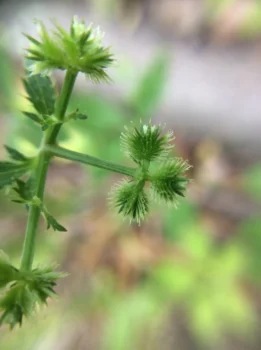
Canadian Blacksnakeroot: A Charming Native for Woodland Gardens
If you’re looking to add some authentic North American charm to your shade garden, Canadian blacksnakeroot (Sanicula canadensis) might just be the understated beauty you’ve been searching for. This native biennial forb brings a quiet elegance to woodland settings while supporting local ecosystems—though it’s definitely more about substance than flashy style.
What is Canadian Blacksnakeroot?
Canadian blacksnakeroot is a native North American forb that belongs to the carrot family. As a biennial, this plant has a two-year life cycle, spending its first year developing a robust root system and basal leaves, then flowering and setting seed in its second year. Don’t let the blacksnakeroot name scare you—it’s perfectly harmless and gets its common name from its dark, somewhat snake-like root system.
This modest plant typically reaches 1-3 feet in height, with distinctive palmately divided leaves that look a bit like tiny hands with fingers spread wide. The small, white to greenish flowers appear in umbrella-like clusters called umbels, creating a delicate, lacy appearance in late spring to early summer.
Where Does It Naturally Grow?
Canadian blacksnakeroot is truly a continental native, naturally occurring across an impressive range that spans from southeastern Canada down through most of the eastern and central United States. You’ll find it growing wild from Ontario and Quebec south to Florida, and from the Atlantic coast west to states like Texas, Wyoming, and South Dakota.
- Species observed
- No observations
This extensive natural range tells us something important: this is one adaptable plant that’s well-suited to a variety of growing conditions across much of North America.
Why Grow Canadian Blacksnakeroot?
While Canadian blacksnakeroot won’t win any awards for showstopping blooms, it offers several compelling reasons to include it in your garden:
- True native status: Supporting local ecosystems and wildlife
- Low maintenance: Once established, it pretty much takes care of itself
- Pollinator support: The small flowers attract beneficial insects including native bees, flies, and beetles
- Woodland authenticity: Perfect for creating naturalistic woodland gardens
- Self-sustaining: Seeds readily to maintain populations without being invasive
Growing Conditions and Care
Canadian blacksnakeroot is refreshingly undemanding, making it perfect for gardeners who prefer a plant it and forget it approach. Here’s what this woodland native prefers:
- Light: Partial to full shade (mirrors its natural woodland habitat)
- Soil: Moist to moderately dry, well-draining soil with organic matter
- Hardiness: USDA zones 3-8
- Moisture: Adaptable, but prefers consistent moisture without being waterlogged
The wetland status varies by region, but generally, this plant is classified as facultative upland, meaning it usually prefers non-wetland conditions but can tolerate occasional wet periods. In some eastern mountain regions, it’s considered obligate upland, preferring consistently drier conditions.
Perfect Garden Settings
Canadian blacksnakeroot shines in:
- Woodland gardens and forest edges
- Native plant gardens
- Naturalized areas and wildlife gardens
- Shade gardens needing understory plants
- Rain gardens (in appropriate regions)
It’s particularly valuable as an understory plant, filling in gaps between larger woodland perennials and providing habitat for beneficial insects that larger, showier plants might miss.
Planting and Care Tips
Getting Canadian blacksnakeroot established is straightforward:
- Planting time: Fall or early spring
- Spacing: Allow 12-18 inches between plants
- Soil prep: Incorporate compost or leaf mold to mimic woodland conditions
- Watering: Water regularly the first year, then it’s largely self-sufficient
- Maintenance: Minimal—just let it do its thing
Since it’s a biennial, don’t panic when individual plants disappear after their second year—they’ve likely left behind seeds that will germinate and continue the cycle.
Wildlife and Pollinator Benefits
While the flowers might seem insignificant to us, they’re quite popular with small pollinators. The umbel-shaped flower clusters provide easy landing platforms for tiny beneficial insects, including:
- Small native bees
- Beneficial flies
- Beetles
- Other small pollinators that larger flowers might exclude
By including Canadian blacksnakeroot in your garden, you’re supporting the often-overlooked smaller members of your local pollinator community.
Is Canadian Blacksnakeroot Right for Your Garden?
Canadian blacksnakeroot is perfect for gardeners who:
- Want to support native ecosystems
- Prefer low-maintenance plants
- Are creating woodland or naturalistic gardens
- Value ecological function over flashy appearance
- Need reliable understory plants for shady areas
However, it might not be the best choice if you’re looking for bold visual impact or need plants for formal garden settings. This is definitely a supporting actor rather than a leading star in the garden drama.
Canadian blacksnakeroot proves that sometimes the most valuable garden plants are the quiet, hardworking natives that blend seamlessly into the landscape while providing essential ecological services. If you’re ready to embrace a more naturalistic approach to gardening, this humble forb deserves a spot in your woodland sanctuary.