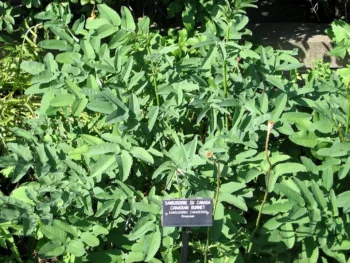
Canadian Burnet: A Native Beauty for Wet Gardens
If you’re looking for a tall, elegant perennial that thrives in those soggy spots where other plants fear to tread, Canadian burnet might just be your new best friend. This North American native brings both beauty and ecological value to gardens, making it a fantastic choice for gardeners who want to support local wildlife while creating stunning displays.
Meet the Canadian Burnet
Canadian burnet (Sanguisorba canadensis) is a perennial forb that belongs to the rose family. Don’t let the family connection fool you though – this plant won’t prick you with thorns! Instead, it offers graceful compound leaves and distinctive white, bottlebrush-like flower spikes that can reach impressive heights of 3-6 feet tall.
As a true native plant, Canadian burnet has deep roots in North American ecosystems. It’s naturally found throughout much of the continent, from Alaska down through Canada and across many U.S. states including Connecticut, Georgia, Idaho, Maine, Michigan, New York, Oregon, Virginia, and many others.
- Species observed
- No observations
Why You’ll Love Growing Canadian Burnet
This plant is practically tailor-made for modern gardening challenges. Here’s what makes it special:
- Wetland warrior: Canadian burnet has a Facultative Wetland status, meaning it absolutely loves moist to wet conditions but can adapt to regular garden soil too
- Pollinator magnet: Those fluffy white flower spikes are like beacon calls to bees, butterflies, and other beneficial insects
- Low maintenance: Once established, this hardy perennial (zones 3-7) pretty much takes care of itself
- Architectural interest: The tall flower spikes add vertical drama to garden designs
Perfect Garden Spots for Canadian Burnet
Canadian burnet shines in several garden settings:
- Rain gardens: Its love for moisture makes it perfect for areas that collect runoff
- Native plant gardens: As a true native, it fits beautifully with other indigenous species
- Back of borders: Use its height to create backdrop drama in perennial beds
- Prairie-style plantings: Combines wonderfully with native grasses and wildflowers
- Cottage gardens: Adds a wildflower charm to informal garden styles
Growing Canadian Burnet Successfully
The good news is that Canadian burnet isn’t fussy about much beyond moisture. Here’s how to keep it happy:
Growing Conditions: This adaptable plant prefers full sun to partial shade and consistently moist soil. While it can tolerate some drought once established, it truly thrives with regular moisture or even seasonal flooding.
Planting Tips: Spring is the ideal time to plant Canadian burnet. Space plants about 2-3 feet apart to accommodate their mature spread. If you’re planting in a rain garden or wet area, you can place them closer together for a more naturalized look.
Care and Maintenance: Once established, Canadian burnet is refreshingly low-maintenance. Water during dry spells, especially in the first year. You can deadhead spent flowers if you prefer a tidier look, but leaving them provides seeds for wildlife. Every 3-4 years, consider dividing clumps in spring to maintain vigor.
The Wildlife Connection
Beyond its garden beauty, Canadian burnet is an ecological powerhouse. Its flowers provide nectar for various pollinators throughout the summer blooming period. The seeds that follow feed birds, and the plant structure offers shelter for beneficial insects. By growing Canadian burnet, you’re creating habitat while enjoying a beautiful garden display.
Is Canadian Burnet Right for Your Garden?
Canadian burnet is an excellent choice for gardeners who want a native plant that’s both beautiful and functional. It’s particularly perfect if you have moist areas in your landscape that need attention, or if you’re creating habitat for pollinators. The only consideration is space – this plant can reach 4-6 feet tall and spread 2-3 feet wide, so make sure you have room for its full glory.
With its combination of native status, pollinator appeal, and adaptability to challenging wet conditions, Canadian burnet offers modern gardeners a chance to solve problems while creating beauty. Sometimes the best garden solutions are the ones that have been growing wild in our landscapes all along.