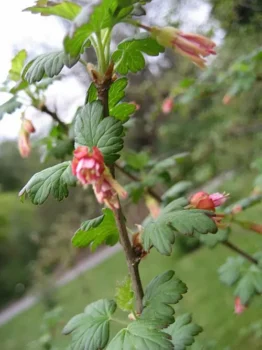
Canadian Gooseberry: A Hardy Native Shrub for Northern Gardens
If you’re looking for a tough, no-fuss native shrub that can handle whatever Mother Nature throws at it, meet the Canadian gooseberry (Ribes oxyacanthoides). This unassuming little powerhouse might not win any beauty contests, but it more than makes up for it with reliability, wildlife value, and those delicious summer berries that’ll have you wondering why you ever bothered with store-bought fruit.
What is Canadian Gooseberry?
Canadian gooseberry is a perennial, multi-stemmed woody shrub that typically grows 3-5 feet tall and wide. As a true native of northern North America, this hardy character has been quietly doing its thing in the wild long before we started fussing over fancy garden plants. Don’t let the thorny stems fool you – those spines are just this plant’s way of saying I’m tougher than I look.
Where Does It Call Home?
This resilient shrub has quite the impressive native range, stretching across Alaska, most of Canada, and dipping down into the northern United States. You’ll find it growing naturally from the Canadian provinces of Alberta, British Columbia, Manitoba, Ontario, Quebec, Saskatchewan, Yukon, and Northwest Territories, all the way down to states like Colorado, Idaho, Maine, Michigan, Minnesota, Montana, Nebraska, Nevada, North Dakota, Ohio, Oregon, South Dakota, Utah, Washington, Wisconsin, and Wyoming.
- Species observed
- No observations
Why Your Garden Will Love This Shrub
Canadian gooseberry might seem like a wallflower at first glance, but it’s actually quite the multitasker in the garden. In spring, it produces small greenish-white to pinkish flowers that may not stop traffic but are absolute magnets for early-season pollinators like native bees and beneficial flies. Come summer, those modest blooms transform into purple-black berries that taste like a cross between a grape and a blueberry – assuming you can beat the birds to them!
The real beauty of this plant lies in its adaptability and wildlife value. It’s equally at home in a formal native plant garden or a wild, naturalized landscape. Plus, those thorny branches provide excellent nesting sites for small birds, making your garden a true wildlife haven.
Perfect Garden Roles
Canadian gooseberry shines in several garden situations:
- Woodland gardens where it can play the understory role
- Native plant gardens seeking authentic regional character
- Wildlife habitat gardens focused on supporting local ecosystems
- Naturalized landscapes where a wild, unmanicured look is desired
- Erosion control on slopes thanks to its fibrous root system
Growing Conditions That Make It Happy
Here’s where Canadian gooseberry really shows off – it’s remarkably unfussy about growing conditions. This adaptable shrub thrives in USDA hardiness zones 2-7, making it perfect for gardeners dealing with harsh winters and unpredictable weather.
While it prefers moist, well-draining soil, it’s surprisingly drought tolerant once established. It’ll grow happily in partial shade to full sun, though it tends to produce more berries with at least some direct sunlight. The wetland status varies by region – in most areas, it’s classified as facultative upland, meaning it usually prefers non-wetland conditions but can handle some moisture.
Planting and Care Tips
Getting Canadian gooseberry established in your garden is refreshingly straightforward:
- Timing: Plant in spring or fall when temperatures are moderate
- Spacing: Give each plant about 4-6 feet of space to spread
- Watering: Water regularly during the first growing season, then step back and let nature take over
- Pruning: Minimal pruning needed – just remove dead or damaged branches in late winter
- Fertilizing: Skip the fertilizer – this plant prefers to make its own way
The Wildlife Connection
Plant Canadian gooseberry, and you’re essentially rolling out the red carpet for local wildlife. Those early spring flowers provide crucial nectar when few other plants are blooming, supporting native bees and other pollinators emerging from winter dormancy. The berries feed everything from songbirds to small mammals, while the thorny branches offer protection and nesting sites for birds.
Is Canadian Gooseberry Right for Your Garden?
If you’re a gardener who appreciates plants that give more than they take, Canadian gooseberry deserves serious consideration. It’s perfect for anyone wanting to support local wildlife, grow some tasty berries, and enjoy a truly low-maintenance shrub that laughs in the face of harsh weather.
Just remember – this isn’t a plant for formal, manicured gardens where every leaf must be in its place. Canadian gooseberry has a wild spirit and looks best when allowed to express its natural, slightly unruly character. But if you can embrace that authentic, untamed beauty, you’ll have a garden ally that’ll reward you year after year with minimal fuss and maximum wildlife value.