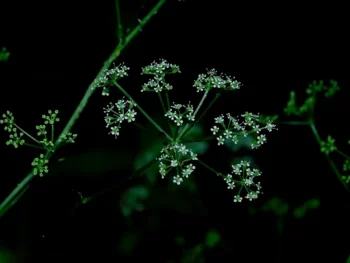
Canadian Licorice-Root: A Hidden Gem for Shade Gardens
If you’re looking for a native plant that thrives in those tricky shaded spots of your garden, meet Canadian licorice-root (Ligusticum canadense). This unassuming perennial might not win any flashy flower contests, but it’s exactly the kind of dependable, eco-friendly plant that makes both gardeners and local wildlife happy.
What Is Canadian Licorice-Root?
Canadian licorice-root is a native perennial forb – essentially a non-woody herbaceous plant that comes back year after year. Don’t let the licorice in its name fool you though; this isn’t the candy-flavored plant you might be thinking of. This North American native belongs to the carrot family and produces delicate clusters of small white flowers that dance above its attractive compound leaves.
As a true native species, Canadian licorice-root has been quietly doing its job in eastern North American forests for thousands of years, supporting local ecosystems without any fuss or drama.
Where Does It Grow Naturally?
This adaptable native calls home to an impressive swath of the eastern United States. You’ll find Canadian licorice-root growing naturally across 16 states, from the Appalachian Mountains down through the southeastern coastal plains. Its range includes Alabama, Arkansas, Georgia, Indiana, Kentucky, Maryland, Mississippi, Missouri, New Jersey, North Carolina, Ohio, Pennsylvania, South Carolina, Tennessee, Virginia, and West Virginia.
- Species observed
- No observations
Why Plant Canadian Licorice-Root?
Here’s where this humble plant really shines. Canadian licorice-root is what garden designers call a facultative plant, meaning it’s incredibly adaptable – it can handle both wetland and non-wetland conditions. This flexibility makes it perfect for those challenging garden spots where moisture levels vary.
Standing 1-3 feet tall and spreading about 1-2 feet wide, it’s the perfect size for filling in understory areas without overwhelming smaller plants or competing with showier specimens. The delicate white flower clusters appear in summer, attracting native bees, flies, and other beneficial insects that help keep your garden ecosystem humming along nicely.
Perfect Garden Roles
Canadian licorice-root excels in several garden situations:
- Woodland gardens where it can naturalize among ferns and wildflowers
- Native plant gardens focused on regional species
- Shade borders that need reliable, low-maintenance fillers
- Rain gardens and areas with variable moisture
- Pollinator gardens designed for native beneficial insects
Growing Conditions and Care
The great news about Canadian licorice-root is that it’s refreshingly low-maintenance once established. This perennial thrives in USDA hardiness zones 4-8, making it suitable for most temperate regions where it’s native.
Give it partial to full shade – think dappled sunlight through tree canopies rather than blazing afternoon sun. The soil should be moist and well-draining with plenty of organic matter, similar to what you’d find on a forest floor. Rich, loamy soil will make this plant absolutely thrive.
Consistent moisture is key, but don’t worry about creating swampy conditions. Remember, this is a facultative plant that adapts to varying moisture levels, so it can handle both wet spells and moderate dry periods once established.
Planting and Care Tips
Spring is your best bet for planting Canadian licorice-root. Here’s how to set it up for success:
- Choose a location with partial to full shade
- Amend heavy clay or sandy soils with compost or leaf mold
- Plant at the same depth it was growing in its container
- Water regularly the first season while roots establish
- Apply a 2-3 inch layer of organic mulch to retain moisture
- Divide clumps every 3-4 years in early spring if desired
Once established, Canadian licorice-root is remarkably self-sufficient. It rarely needs fertilizing if planted in good soil, and its native genetics mean it’s well-adapted to local pest and disease pressures.
The Bottom Line
Canadian licorice-root might not be the star of your garden, but it’s exactly the kind of reliable, native supporting player that makes beautiful, sustainable landscapes possible. If you have shade, decent soil, and a desire to support local wildlife while growing something genuinely suited to your region, this perennial deserves a spot in your garden. Sometimes the best plants are the ones that simply do their job well – and Canadian licorice-root does exactly that.