Canadian Plum: A Hidden Gem for Wildlife-Friendly Gardens
If you’re looking to add some native charm to your landscape while supporting local wildlife, meet the Canadian plum (Prunus nigra) – a delightful native tree that’s been quietly thriving in North American gardens for generations. This unassuming beauty might not win any flashy flower contests, but it’s got personality in spades and brings serious ecological value to your yard.
What Exactly Is a Canadian Plum?
The Canadian plum is a native North American tree that typically grows as a small, thicket-forming specimen. Despite its name suggesting otherwise, this hardy native actually calls both Canada and the lower 48 states home. At maturity, you can expect your Canadian plum to reach about 9 feet tall, though some specimens can stretch up to 30 feet given the right conditions and enough time.
This perennial woody plant has a delightfully informal growth habit, often forming colonies through root suckers – which means one tree can eventually become a lovely grove if you let it do its thing.
Where Does It Grow Naturally?
Canadian plums have quite the impressive native range! You’ll find them growing wild across Manitoba, New Brunswick, Nova Scotia, Ontario, and Quebec in Canada. In the United States, they’re native to Connecticut, Illinois, Indiana, Iowa, Maine, Massachusetts, Michigan, Minnesota, New Hampshire, New Jersey, New York, Ohio, Vermont, and Wisconsin.
- Species observed
- No observations
Why Your Garden (and Local Wildlife) Will Love It
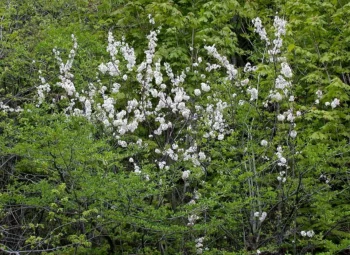
Here’s where the Canadian plum really shines – it’s basically a wildlife buffet disguised as an ornamental tree. The early spring flowers, which appear before the leaves emerge, provide crucial nectar for native bees and other pollinators when not much else is blooming. The small, dark purple-red fruits that follow are absolute magnets for birds and small mammals.
From a visual standpoint, Canadian plums offer subtle but lovely seasonal interest:
- Delicate white to pinkish flowers in mid-spring
- Coarse-textured green foliage during the growing season
- Small, colorful orange-red fruits in summer
- Decent fall color before leaf drop
Perfect Spots for Canadian Plums
Canadian plums are incredibly versatile and work beautifully in several garden settings:
- Wildlife gardens: Absolute stars for supporting native biodiversity
- Naturalized areas: Perfect for that wild edge of your property
- Rain gardens: Tolerates occasional moisture fluctuations well
- Native plant gardens: An authentic local species with proven staying power
The tree’s thicket-forming habit makes it excellent for creating natural privacy screens or windbreaks, though keep this growth pattern in mind when choosing your planting location.
Growing Conditions: What Makes Canadian Plums Happy
One of the best things about Canadian plums? They’re refreshingly low-maintenance once established. Here’s what they prefer:
Soil: These adaptable trees do well in medium to fine-textured soils with a pH between 6.5 and 8.5. They’re not picky about soil types but appreciate good drainage.
Light: Full sun is their preference, though they can handle some light shade. More sun generally means more flowers and fruit.
Water: Canadian plums prefer consistent moisture but aren’t particularly drought-tolerant once established. They’re not suitable for constantly wet conditions either – they fall into that sweet spot of moist but well-drained.
Climate: Hardy in USDA zones 3-6, these trees can handle cold temperatures down to around 24°F and need at least 128 frost-free days per growing season.
Planting and Care Tips
When to plant: Spring or fall are your best bets, giving the roots time to establish before extreme weather.
Spacing: Plan for about 640-1,280 trees per acre if you’re doing mass plantings, but for home landscapes, give each tree at least 6-10 feet of space – remembering that it may spread into a thicket over time.
Ongoing care: Once established, Canadian plums are remarkably self-sufficient. They don’t require regular pruning unless you want to control their natural spreading habit. The moderate lifespan means you’ll enjoy decades of wildlife activity and subtle seasonal beauty.
Propagation: While the data suggests limited propagation options, Canadian plums naturally spread through root suckers, and seeds can be collected from ripe fruits for growing new plants.
Things to Keep in Mind
Canadian plums aren’t the showiest trees in the forest, and that’s perfectly fine! Their flowers are subtle rather than spectacular, and the fruits, while ecologically valuable, aren’t particularly ornamental. This tree is all about function over flash – supporting biodiversity while adding authentic regional character to your landscape.
The thicket-forming habit can be either a feature or a challenge, depending on your garden goals. If you want a single specimen tree, you’ll need to manage the suckers. If you want a naturalized grove, just let it do its thing!
The Bottom Line
Canadian plum is an excellent choice for gardeners who want to support native ecosystems while enjoying a truly low-maintenance landscape addition. It’s particularly perfect for those forgotten corners of your property where you want something attractive and beneficial but don’t want to fuss with high-maintenance plantings.
While it may not be the star of your garden’s show, the Canadian plum is definitely the reliable supporting actor that makes everything else look better – and keeps the local wildlife well-fed and happy. Sometimes, that’s exactly what your landscape needs.