Canadian Waterweed: The Ultimate Pond Oxygenator for Water Gardens
If you’re looking to create a thriving aquatic ecosystem in your backyard pond or water garden, Canadian waterweed (Elodea canadensis) might just become your new best friend. This unassuming underwater plant works like a green superhero, quietly oxygenating your water while providing a lush, feathery backdrop for fish and other aquatic life.
What is Canadian Waterweed?
Canadian waterweed is a perennial aquatic plant that lives its entire life submerged beneath the water’s surface. Don’t let the name fool you – while it’s called Canadian, this hardy plant is actually native to most of Canada and the lower 48 United States. It’s also known by several scientific synonyms, including Anacharis canadensis and Philotria canadensis, though these names are less commonly used today.
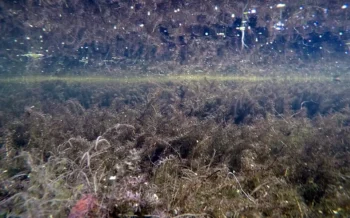
As a forb (a non-woody vascular plant), Canadian waterweed grows in multiple stems that can reach impressive lengths, creating dense underwater meadows that sway gently with water currents.
Where Does Canadian Waterweed Grow?
This adaptable plant has an incredibly wide distribution, growing across most of North America from British Columbia to Nova Scotia, and from Alaska down to Florida and Puerto Rico. You’ll find it thriving in states and provinces including Alabama, Arizona, California, Colorado, Illinois, Michigan, Montana, Oregon, Texas, Washington, and many others.
- Species observed
- No observations
While native to most regions, Canadian waterweed has been introduced to Alaska and Puerto Rico, where it now grows and reproduces on its own. In Alabama, it’s considered quite rare with an S1 status, so if you’re in that area, consider sourcing it responsibly.
The Aesthetic Appeal
Canadian waterweed brings a delicate, almost ethereal beauty to water features. Its gray-green foliage consists of small, elongated leaves arranged in neat whorls around the stem, creating a feathery, grass-like appearance underwater. During summer, it produces tiny, inconspicuous white flowers that float at the water’s surface, though most gardeners grow it for the foliage rather than the blooms.
The plant’s medium-textured foliage provides excellent visual contrast against broader-leaved aquatic plants and creates natural hiding spots for fish and aquatic wildlife.
Why Choose Canadian Waterweed for Your Water Garden?
Here’s where Canadian waterweed really shines:
- Natural water filter: It absorbs excess nutrients from the water, helping prevent algae blooms
- Oxygen powerhouse: Produces oxygen during daylight hours, keeping your pond ecosystem healthy
- Rapid growth: Establishes quickly and fills in spaces fast
- Low maintenance: Once established, it pretty much takes care of itself
- Year-round interest: Provides structure even in winter in warmer climates
Growing Conditions and Care
Canadian waterweed is refreshingly easy to grow, but it does have some specific requirements:
Water Requirements: This plant is an obligate wetland species, meaning it absolutely must grow in water. It cannot survive in regular soil conditions and requires full submersion.
Soil and pH: Prefers fine-textured soils or pond sediments with a pH between 4.8 and 7.8. It’s quite adaptable to different water chemistry conditions.
Light: Needs full sun to partial shade. While shade intolerant compared to some plants, it can handle moderate shading from overhanging trees.
Temperature: Hardy in USDA zones 3-10, tolerating temperatures as low as -33°F. Requires at least 160 frost-free days for optimal growth.
Water Depth: Can grow in shallow areas near the surface or deeper waters, making it versatile for different pond designs.
Planting and Propagation
Getting Canadian waterweed established in your pond is surprisingly straightforward:
- Planting method: Simply weight down cuttings or sprigs and drop them into your pond. They’ll root naturally in the sediment
- Spacing: Plant at a density of about 11,000 to 19,000 plants per acre for natural ponds, or space smaller sections 2-3 feet apart in home water gardens
- Timing: Best planted in late spring when active growth begins
- Propagation: Spreads rapidly through vegetative growth and can also be grown from seed, though seeds have low abundance and slow spread rates
A Word of Caution
While Canadian waterweed is an excellent choice for water gardens, its rapid growth rate means it can sometimes become overly enthusiastic. In ideal conditions, it may need periodic thinning to prevent it from taking over your entire pond. Regular monitoring and occasional harvesting will keep it in check.
Since its invasive status varies by region and isn’t well-documented everywhere, it’s wise to check with your local extension office before planting, especially if you have waterways connected to natural water bodies.
Perfect for Water Gardens and Natural Ponds
Canadian waterweed works beautifully in:
- Backyard ponds and water gardens
- Natural swimming pools
- Bog gardens with standing water
- Large aquariums (though it grows quite large)
- Wildlife ponds designed to attract waterfowl
The Bottom Line
If you’re creating or maintaining an aquatic garden, Canadian waterweed offers exceptional value as a hardworking, low-maintenance plant that keeps your water clean and oxygenated. Just remember to keep an eye on its growth and be prepared for some regular pruning to maintain the perfect balance in your aquatic paradise.
Whether you’re a beginner water gardener or an experienced pond keeper, this reliable native plant (in most areas) can form the foundation of a healthy, beautiful aquatic ecosystem that will thrive for years to come.