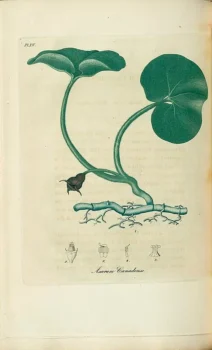
Canadian Wildginger: The Perfect Native Groundcover for Shady Spots
If you’re tired of struggling to find plants that actually thrive in those dim, forgotten corners of your garden, let me introduce you to a true shade-loving champion: Canadian wildginger (Asarum canadense). This unassuming native perennial might just become your new best friend for creating lush, low-maintenance groundcover in even the shadiest spots.
What Makes Canadian Wildginger Special?
Canadian wildginger is a native North American perennial that’s been quietly doing its thing in woodland areas for centuries. Don’t let the ginger name fool you – this plant isn’t related to culinary ginger at all. The name comes from its aromatic rhizomes that early settlers used as a ginger substitute.
This delightful groundcover spreads slowly but surely via underground rhizomes, creating dense colonies of heart-shaped leaves that look like nature’s own living carpet. The leaves are typically 3-6 inches wide and have a distinctive kidney or heart shape with a velvety texture that practically begs to be touched.
Where Does It Call Home?
Canadian wildginger is truly a North American native, naturally occurring across a vast range from southeastern Canada down through much of the eastern United States. You’ll find it growing wild in states from Maine to Georgia and as far west as Minnesota and Kansas. Its extensive native range includes Alabama, Arkansas, Connecticut, Delaware, Georgia, Illinois, Indiana, Iowa, Kansas, Kentucky, Louisiana, Maine, Maryland, Massachusetts, Michigan, Minnesota, Mississippi, Missouri, New Hampshire, New Jersey, New York, North Carolina, North Dakota, Ohio, Oklahoma, Pennsylvania, Rhode Island, South Carolina, South Dakota, Tennessee, Vermont, Virginia, West Virginia, and Wisconsin, plus the Canadian provinces of Manitoba, New Brunswick, Ontario, and Quebec.
- Species observed
- No observations
Important note: In Arkansas, Canadian wildginger has a rarity status of S2, meaning it’s imperiled in that state. If you’re gardening in Arkansas, please source your plants responsibly from reputable native plant nurseries rather than collecting from the wild.
The Secret Beauty of Wildginger Flowers
Here’s where Canadian wildginger gets really interesting – it produces flowers that most people never even notice! These curious blooms appear in late spring, hiding beneath the leaves at ground level. They’re small, maroon-colored, and shaped like little jugs or urns. While they won’t win any beauty contests, they’re perfectly designed for their pollinators: flies and fungus gnats that crawl along the forest floor.
Perfect Growing Conditions
Canadian wildginger is wonderfully low-maintenance once you understand what it wants:
- Light: Shade to partial shade (this plant actually prefers deeper shade)
- Soil: Moist, well-draining soil rich in organic matter
- Water: Consistent moisture without being waterlogged
- pH: Slightly acidic to neutral soil
- Hardiness: USDA zones 2-8 (quite cold hardy!)
The wetland status varies by region, but generally, this plant prefers upland conditions – meaning it likes moist but not swampy soil.
Why Your Garden Will Love Canadian Wildginger
This native gem brings several benefits to your landscape:
- Excellent groundcover: Forms dense mats that naturally suppress weeds
- Low maintenance: Once established, it pretty much takes care of itself
- Erosion control: The spreading rhizomes help stabilize soil on slopes
- Native ecosystem support: Provides habitat and food for native insects
- Long-lasting: The heart-shaped leaves look great from spring through fall
Perfect Garden Partners
Canadian wildginger plays beautifully with other shade-loving natives. Try pairing it with:
- Trilliums for spring wildflower interest
- Ferns for varied textures
- Wild columbine for delicate spring flowers
- Coral bells for colorful foliage contrast
- Native sedges for structural interest
Planting and Care Tips
Getting started with Canadian wildginger is refreshingly straightforward:
- When to plant: Spring or fall are ideal times
- Spacing: Plant 12-18 inches apart for eventual coverage
- Soil prep: Amend heavy clay with compost; ensure good drainage
- Watering: Keep consistently moist the first year while establishing
- Mulching: A light layer of organic mulch helps retain moisture
- Division: Divide clumps every 3-4 years in spring or fall if desired
The Bottom Line
Canadian wildginger might not be the flashiest plant in your garden, but it’s definitely one of the most reliable and ecologically valuable. If you have challenging shady areas where grass struggles and other plants fail, this native groundcover could be exactly what you need. It’s patient, persistent, and perfectly adapted to thrive in the conditions that make many gardeners throw in the towel.
Plus, there’s something deeply satisfying about growing a plant that’s been quietly beautifying North American forests for thousands of years. Your garden – and the local ecosystem – will thank you for giving this humble native a chance to shine in its own understated way.