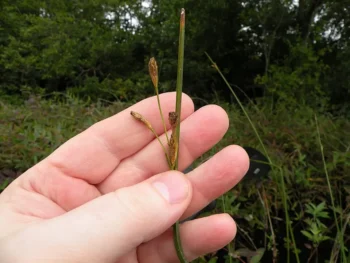
Canby’s Bulrush: A Native Wetland Wonder for Your Garden
Meet Canby’s bulrush (Schoenoplectus etuberculatus), a graceful native sedge that’s quietly making waves in the world of sustainable gardening. This perennial wetland plant might not win any flashy flower contests, but it’s got something better—serious environmental credentials and the kind of understated elegance that makes garden designers swoon.
What Makes Canby’s Bulrush Special?
Canby’s bulrush is a true American native, naturally occurring across the southeastern and mid-Atlantic United States. You’ll find it growing wild from Texas all the way up to Rhode Island, thriving in states including Alabama, Delaware, Florida, Georgia, Louisiana, Maryland, Mississippi, Missouri, North Carolina, South Carolina, and Virginia.
- Species observed
- No observations
This grass-like sedge belongs to the Cyperaceae family and goes by the scientific name Schoenoplectus etuberculatus (though you might also see it listed under its old name, Scirpus etuberculatus). It’s what botanists call an obligate wetland plant, which is a fancy way of saying it almost always needs wet feet to be happy.
A Word About Conservation
Here’s something important to know: Canby’s bulrush has a Global Conservation Status of S3S4, indicating it’s somewhat rare in parts of its range. If you’re thinking about adding this beauty to your garden, make sure you source it responsibly from reputable native plant nurseries rather than collecting from wild populations.
Why Your Garden (Might) Want Canby’s Bulrush
Let’s be honest—this isn’t a plant for everyone. But if you’re dealing with wet, soggy areas in your landscape or you’re passionate about creating habitat for native wildlife, Canby’s bulrush could be your new best friend.
This perennial sedge brings several benefits to the right garden:
- Excellent for managing wet areas and preventing erosion
- Provides vertical structure and gentle movement in the landscape
- Offers habitat and food sources for wildlife
- Requires minimal maintenance once established
- Supports local ecosystem health as a native species
Perfect Garden Spots for Canby’s Bulrush
This wetland specialist shines in specific garden situations:
- Rain gardens: Perfect for managing stormwater runoff
- Pond margins: Creates natural-looking edges around water features
- Bog gardens: Ideal for consistently wet garden areas
- Naturalized landscapes: Great for restoring wetland habitats
- Problem wet spots: Turns soggy lawn areas into attractive features
Growing Canby’s Bulrush Successfully
The key to success with Canby’s bulrush is simple: keep it wet! This plant thrives in USDA hardiness zones 6-10 and has very specific needs.
Light Requirements: Full sun to partial shade, though it performs best with at least 6 hours of direct sunlight daily.
Soil Needs: Constantly moist to wet soils are essential. It can handle standing water and even tolerates brief flooding. Clay soils or mucky conditions are actually preferred over well-draining garden soils.
Planting Tips: Spring is the best time to plant. Space plants about 12-18 inches apart if you’re creating a naturalized planting. Make sure the planting site stays consistently wet—this is non-negotiable!
Care and Maintenance: Once established, Canby’s bulrush is remarkably low-maintenance. You might want to cut it back in late winter before new growth emerges, but otherwise, just let it do its thing.
Wildlife Benefits
While Canby’s bulrush might look simple, it’s working hard behind the scenes to support local wildlife. The seeds provide food for various bird species, and the dense growth offers shelter for small creatures. It’s also part of the complex web of native plants that support our local ecosystems.
Is Canby’s Bulrush Right for You?
This native sedge isn’t for every garden or every gardener. If you have well-draining soil and prefer showy flowers, you’ll probably want to look elsewhere. But if you’re dealing with wet areas, interested in native plants, or want to create wildlife habitat, Canby’s bulrush offers a beautiful, low-maintenance solution.
Remember, with its somewhat rare conservation status, choosing Canby’s bulrush means you’re not just adding a plant to your garden—you’re helping preserve a piece of America’s natural heritage. Just make sure you’re sourcing it responsibly and giving it the wet conditions it needs to thrive.
Sometimes the most valuable plants aren’t the showiest ones. In the case of Canby’s bulrush, quiet beauty and ecological function create something truly special for the right garden setting.