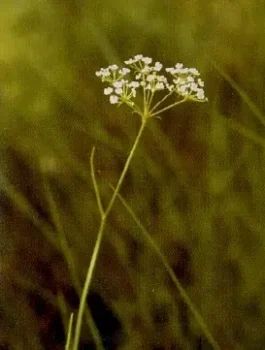
Canby’s Cowbane: A Rare Wetland Treasure Worth Protecting
Meet Canby’s cowbane (Oxypolis canbyi), one of North America’s most endangered wildflowers. This delicate member of the carrot family might not be the showiest plant in the native gardening world, but it carries an important conservation story that every wetland gardener should know.
What Makes Canby’s Cowbane Special?
Also known by its scientific name Oxypolis canbyi, this perennial forb is a true wetland specialist. As a member of the carrot family, it produces clusters of tiny white flowers arranged in umbrella-like formations called umbels. Its delicate, finely divided foliage gives it an almost fernlike appearance, creating a soft texture in the landscape.
But here’s what makes this plant truly remarkable: it’s critically endangered. With a Global Conservation Status of S2 (Imperiled) and listed as Endangered in the United States, Canby’s cowbane is one of those plants teetering on the edge of extinction.
Where Does It Grow?
Canby’s cowbane is native to a narrow coastal region spanning five southeastern states: Delaware, Georgia, Maryland, North Carolina, and South Carolina. This limited range contributes significantly to its vulnerable status.
- Species observed
- No observations
Why Most Gardeners Won’t Want to Grow It (And That’s Okay!)
Let’s be honest – Canby’s cowbane isn’t for the average gardener, and here’s why:
- Extremely specific needs: This plant is classified as an obligate wetland species, meaning it almost always requires wetland conditions to survive
- Not your typical garden plant: It needs consistently saturated soils – think bog-like conditions
- Rarity concerns: With so few populations remaining, most available plants should go toward conservation efforts rather than home gardens
- Specialized care: Success requires understanding wetland ecology, not just basic gardening skills
Who Should Consider Growing It?
If you’re still intrigued, Canby’s cowbane might be right for you if:
- You have natural wetland areas on your property
- You’re creating a bog garden or wetland restoration project
- You specialize in rare native plant conservation
- You can source plants responsibly from conservation programs
Growing Conditions and Care
Should you have the right conditions and responsibly sourced plants, here’s what Canby’s cowbane needs:
- Moisture: Constantly wet to saturated soils – think marsh-like conditions
- Light: Full sun to partial shade
- Hardiness: Suitable for USDA zones 6-9
- Soil: Tolerates various soil types as long as they stay consistently moist
- Maintenance: Minimal once established in proper conditions
The Conservation Angle
Here’s where things get important: if you’re passionate about rare plants, consider supporting Canby’s cowbane conservation through other means. Donate to botanical gardens with conservation programs, support wetland preservation efforts, or volunteer with native plant societies working on endangered species recovery.
Pollinator and Wildlife Value
Like other members of the carrot family, Canby’s cowbane produces small white flowers that attract various small pollinators, including native bees and beneficial insects. In its natural wetland habitat, it likely plays a role in supporting specialized wetland wildlife communities.
The Bottom Line
Canby’s cowbane represents something bigger than just another native plant – it’s a reminder of how specialized and fragile our native ecosystems can be. While most gardeners won’t be growing this rare beauty, understanding plants like these helps us appreciate the incredible diversity we’re working to protect through native gardening.
Instead of trying to grow Canby’s cowbane, consider planting other wetland natives that are more widely available and better suited to cultivation. Your local native plant society can recommend appropriate wetland plants for your region that will provide similar ecological benefits without the conservation concerns.
Sometimes the best way to love a rare plant is to admire it from afar and support its conservation in the wild.