Canby’s Licorice-Root: A Hidden Gem for Pacific Northwest Gardens
If you’re looking for a native plant that’s both beautiful and beneficial, let me introduce you to Canby’s licorice-root (Ligusticum canbyi). This charming perennial might not be the flashiest plant in the garden center, but it’s definitely one worth getting to know – especially if you’re passionate about supporting native ecosystems in the Pacific Northwest.
What Makes Canby’s Licorice-Root Special?
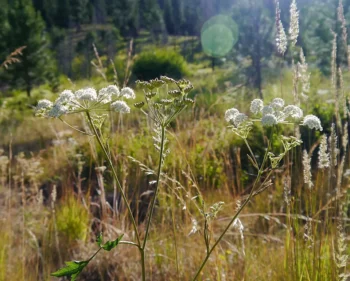
Canby’s licorice-root is a true Pacific Northwest native, naturally found across British Columbia, Idaho, Montana, Oregon, Washington, and Wyoming. This hardy perennial belongs to the carrot family and produces delicate white flower clusters that look like tiny umbrellas dancing in the breeze. The compound leaves are finely divided and aromatic when crushed, giving off a pleasant, licorice-like scent that explains its common name.
As a forb – basically a fancy term for a non-woody flowering plant – Canby’s licorice-root grows from the ground up each year, reaching moderate heights perfect for filling in gaps in your native plant garden.
- Species observed
- No observations
Why Your Garden (and Local Wildlife) Will Love It
Here’s where Canby’s licorice-root really shines: it’s a pollinator magnet. Those umbrella-shaped flower clusters are like landing pads for beneficial insects, including native bees and flies. By planting this native beauty, you’re essentially setting up a buffet for the good bugs that help keep your garden healthy and thriving.
The plant’s facultative wetland status means it’s adaptable – it can handle both moist and drier conditions, making it a flexible choice for various garden situations. Whether you have a naturally wet spot that needs some native flair or a regular garden bed, Canby’s licorice-root can probably make itself at home.
Perfect Garden Companions and Settings
This native gem works beautifully in:
- Wildflower meadows and naturalized areas
- Native plant gardens
- Mountain-style landscapes
- Informal cottage gardens with a native twist
- Medicinal or herb gardens (historically used by Indigenous peoples)
Growing Canby’s Licorice-Root Successfully
Climate Considerations: This tough customer thrives in USDA hardiness zones 3-7, so it can handle some serious cold – perfect for mountain gardens and northern regions.
Site Selection: Choose a spot with moist, well-drained soil and partial shade to full sun. Think about where you might find this plant in the wild – mountain meadows, forest edges, and streamside areas. Recreating these conditions will make your plant happiest.
Planting Tips:
- Spring is typically the best time to plant
- Ensure consistent moisture, especially during establishment
- Mulch around the base to retain soil moisture
- Give plants adequate space for their mature size
Ongoing Care: Once established, Canby’s licorice-root is refreshingly low-maintenance. The key is keeping the soil consistently moist but not waterlogged. This isn’t a plant it and forget it species, but it’s also not going to demand constant attention.
Is Canby’s Licorice-Root Right for Your Garden?
If you’re someone who appreciates subtle beauty over flashy showstoppers, loves supporting native ecosystems, and enjoys plants with interesting botanical stories, then yes – Canby’s licorice-root could be a wonderful addition to your landscape. It’s particularly perfect for gardeners in the Pacific Northwest who want to create authentic native plant communities.
However, if you’re looking for bold, colorful blooms or plants that thrive in hot, dry conditions, you might want to explore other native options better suited to those needs.
The Bottom Line
Canby’s licorice-root represents the best of native gardening – it’s regionally appropriate, supports local wildlife, and brings a piece of natural Pacific Northwest beauty right to your backyard. While it might not win any Most Dramatic Plant awards, it will quietly and reliably contribute to a healthy, sustainable garden ecosystem year after year. And honestly, isn’t that exactly what we need more of in our gardens?