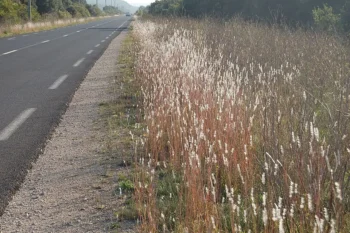
Cane Bluestem: A Drought-Tough Grass for Southwestern Gardens
If you’re looking for a resilient, low-maintenance grass that can handle scorching summers and minimal water, cane bluestem (Bothriochloa barbinodis) might just be your new best friend. Also known as fuzzytop, this perennial bunch grass has been quietly winning over gardeners across the American Southwest with its remarkable drought tolerance and graceful appearance.
What Makes Cane Bluestem Special?
Cane bluestem is a warm-season perennial grass that forms attractive clumps rather than spreading aggressively. It typically reaches about 4 feet tall at maturity, creating a lovely backdrop in naturalized landscapes. The grass produces delicate, feathery seed heads and maintains an appealing blue-green color throughout its growing season, which runs from summer through fall.
What really sets this grass apart is its incredible drought tolerance and rapid growth rate. Once established, it can thrive with minimal irrigation, making it a water-wise choice for sustainable landscaping.
Where Does Cane Bluestem Naturally Grow?
This hardy grass is native to the lower 48 United States and naturally occurs across Arizona, California, Colorado, Florida, Nevada, New Mexico, Oklahoma, South Carolina, Texas, and Utah. It has also been introduced to Hawaii, where it grows successfully but isn’t considered native.
- Species observed
- No observations
Garden Design and Landscape Uses
Cane bluestem shines in several landscape applications:
- Xeriscape gardens: Perfect for low-water landscapes
- Prairie restoration projects: Adds authentic native character
- Erosion control: Its root system helps stabilize slopes
- Naturalized areas: Creates movement and texture in informal spaces
- Background plantings: Provides a soft, neutral backdrop for showier plants
Growing Conditions and Climate Requirements
Cane bluestem is surprisingly adaptable but does have some preferences. It thrives in USDA hardiness zones 7-10 and needs at least 180 frost-free days per year. Here’s what it needs to flourish:
- Sunlight: Full sun (shade intolerant)
- Soil: Well-draining, coarse to medium-textured soils
- pH: Alkaline conditions (7.0-8.2)
- Water: 12-20 inches of annual precipitation
- Temperature: Can handle temperatures as low as 2°F
The grass is quite particular about drainage and won’t tolerate waterlogged conditions. It’s classified as Obligate Upland in most regions, meaning it almost never grows in wetlands.
Planting and Care Tips
Getting cane bluestem established is straightforward if you follow these guidelines:
- Propagation: Grow from seed (about 754,000 seeds per pound!)
- Planting time: Spring after last frost
- Soil preparation: Ensure excellent drainage
- Watering: Water regularly until established, then reduce significantly
- Fertilizing: Moderate fertility requirements
- Maintenance: Cut back in late winter before new growth begins
This grass has moderate seedling vigor but spreads slowly once established, so don’t expect it to take over your garden. The seeds are commercially available and relatively easy to germinate.
Wildlife and Ecological Benefits
While cane bluestem is wind-pollinated and doesn’t directly attract pollinators like flowering plants do, it still provides valuable habitat for wildlife. The grass structure offers cover and nesting sites for various small animals and birds. As a native grass, it supports the local ecosystem and helps maintain regional plant community integrity.
Things to Consider
Cane bluestem has a relatively short lifespan for a perennial grass, and it doesn’t resprout after cutting or grazing. It also has no fire resistance, so it’s not the best choice if you’re in a fire-prone area. The grass produces brown seeds that aren’t particularly showy, and its flowers are quite inconspicuous.
If you’re gardening outside its native range, consider whether local native grasses might better serve your landscape goals while supporting regional wildlife.
The Bottom Line
Cane bluestem is an excellent choice for water-wise gardeners in the Southwest who want a reliable, attractive grass that won’t demand constant attention. Its drought tolerance, moderate maintenance needs, and graceful appearance make it particularly valuable in sustainable landscape designs. Just remember that it’s happiest in well-drained, sunny spots where it can show off its natural resilience.
Whether you’re creating a prairie garden, need erosion control, or simply want a beautiful grass that can handle tough conditions, cane bluestem deserves serious consideration for your landscape palette.