Canereed: A Tropical Beauty for Warm Climate Gardens
If you’re dreaming of adding some serious tropical flair to your garden, you might want to get acquainted with canereed (Costus speciosus). This striking perennial, also known as isebab in Palau, is one of those plants that can instantly transform a boring corner into something that looks like it belongs in a botanical paradise.
What Exactly Is Canereed?
Canereed is a forb – basically a non-woody plant that comes back year after year. Don’t let the fancy botanical classification fool you though; this is simply a gorgeous tropical plant that knows how to make a statement. You might also see it listed under its synonym Cheilocostus speciosus, but it’s the same showstopper.
Where Does It Come From?
Here’s where things get interesting from a native gardening perspective. Canereed is native to the Pacific Basin (though not Hawaii), Puerto Rico, and parts of Southeast Asia. However, it’s been introduced to Hawaii, Guam, and Palau, where it now grows and reproduces on its own. This makes it a non-native species in some of the places where you’ll commonly find it growing today.
- Species observed
- No observations
Why Gardeners Love (and Sometimes Question) Canereed
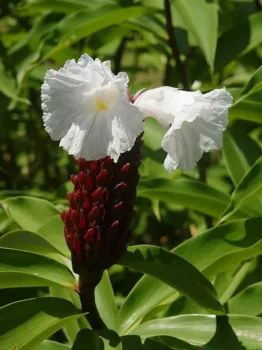
Let’s be honest – canereed is absolutely stunning. It can reach impressive heights of 6-10 feet, with large, spirally arranged leaves that create a lush, tropical backdrop. The real showstoppers are the white flowers with bright yellow centers that emerge from distinctive cone-like structures. It’s the kind of plant that makes your neighbors stop and ask, What is that gorgeous thing?
However, since canereed isn’t native to all areas where it’s commonly grown, some gardeners prefer to stick with indigenous alternatives that better support local ecosystems. If you’re in Hawaii, for example, you might consider native Hawaiian plants that provide similar tropical appeal while supporting local wildlife.
Perfect Growing Conditions
Canereed is pretty adaptable when it comes to moisture – it can handle both wetland and non-wetland conditions, which makes it quite versatile. Here’s what it loves most:
- Partial shade to full sun (though it appreciates some protection from harsh afternoon sun)
- Moist, well-draining soil
- High humidity
- USDA hardiness zones 9-11
- Protection from strong winds
Garden Design Ideas
Canereed works beautifully in tropical and subtropical garden designs. Use it as:
- A dramatic specimen plant
- Natural screening for privacy
- Background plantings in mixed tropical borders
- Container plants on patios (especially in cooler climates)
Planting and Care Tips
The good news? Canereed isn’t particularly fussy once established. Keep the soil consistently moist (but not waterlogged), add a layer of mulch to retain moisture, and give it some space – this plant likes to spread via underground rhizomes. Regular watering during dry spells will keep it looking its best.
In cooler climates, you can grow canereed in large containers and bring them indoors during winter, or treat them as annuals and replant each year.
Wildlife and Pollinator Appeal
Those showy flowers aren’t just for human admiration – they’re magnets for butterflies and other pollinators, adding even more life and movement to your garden.
The Bottom Line
Canereed is undeniably beautiful and relatively easy to grow in the right conditions. While it may not be native everywhere it’s grown, its stunning appearance and pollinator appeal make it a popular choice for tropical garden enthusiasts. Just remember to consider native alternatives that might provide similar aesthetic appeal while better supporting your local ecosystem. Your garden – and your local wildlife – will thank you for the thoughtful choice.