Canyon Clover: A Hidden Gem for Pacific Northwest Native Gardens
If you’re looking to add authentic Pacific Northwest character to your garden while supporting local wildlife, canyon clover might just be the unsung hero you’ve been searching for. This charming native perennial brings the wild beauty of California and Oregon canyons right to your backyard.
What Makes Canyon Clover Special?
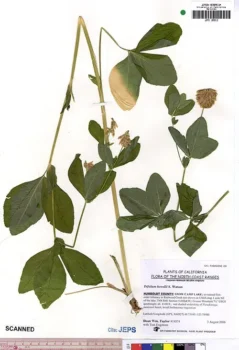
Canyon clover (Trifolium howellii) is a delightful native perennial that belongs to the legume family. As a forb – essentially a non-woody flowering plant – it produces the classic three-leaflet clover leaves we all recognize, topped with small clusters of white to pale pink flowers that dance in the breeze.
What sets this clover apart from its more common cousins is its native pedigree. While many clovers in our landscapes are European imports, canyon clover is a true West Coast native, having evolved alongside the region’s wildlife for thousands of years.
Where Canyon Clover Calls Home
This lovely native has a relatively limited range, naturally occurring in California and Oregon. You’ll find it thriving in canyon areas and foothills, where it has adapted to the unique growing conditions of the Pacific Coast region.
- Species observed
- No observations
Why Your Garden (and Local Wildlife) Will Love It
Canyon clover offers several compelling reasons to earn a spot in your landscape:
- Native plant benefits: Supports local ecosystems and requires less water once established
- Pollinator magnet: Like other clovers, it attracts beneficial bees and other pollinators
- Low maintenance: Perennial growth means it returns year after year
- Nitrogen fixing: As a legume, it actually improves soil fertility
- Ground cover potential: Perfect for naturalizing areas or erosion control
Perfect Garden Situations
Canyon clover shines in several garden scenarios:
- Native plant gardens celebrating regional flora
- Naturalized meadow areas
- Restoration projects
- Pollinator gardens
- Slopes needing erosion control
Growing Conditions and Care
Given its wetland status as facultative wetland, canyon clover is quite adaptable when it comes to moisture. It typically thrives in areas that are sometimes wet but can also handle drier conditions – making it perfect for our variable Pacific Northwest climate.
For best results, provide:
- Soil: Well-draining soil that can handle occasional moisture
- Sun exposure: Likely prefers full sun to partial shade
- USDA zones: Suitable for zones 7-10
- Water: Moderate water needs; drought tolerant once established
Planting and Care Tips
Canyon clover is refreshingly low-maintenance, but here are some tips for success:
- Plant in spring or fall for best establishment
- Water regularly the first growing season to help roots establish
- Once established, it should thrive with minimal supplemental watering
- Allow flowers to go to seed to encourage natural reseeding
- Works well in mixed native plantings rather than formal borders
A Note on Availability
Canyon clover isn’t commonly found in typical nurseries, but it’s worth seeking out from native plant specialists or participating in seed exchanges. Its rarity in cultivation makes it all the more special when you do find it.
The Bottom Line
If you’re gardening within canyon clover’s native range and want to create authentic habitat while supporting local pollinators, this charming native deserves serious consideration. It may not be the showiest plant in your garden, but its ecological value and low-maintenance nature make it a worthy addition to any native plant collection.
Sometimes the best garden additions are the quiet performers that work behind the scenes, supporting the ecosystem while asking for very little in return. Canyon clover fits that description perfectly.