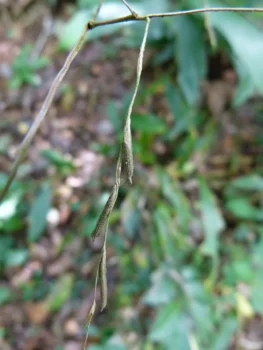
Cape Francais Stalkgrass: A Delicate Native Shade Grass for Southern Gardens
If you’re searching for a graceful, low-maintenance grass that thrives in shady spots, Cape Francais stalkgrass (Pharus lappulaceus) might just be the perfect addition to your native plant collection. This charming perennial grass brings subtle beauty to areas where other plants struggle to flourish.
What is Cape Francais Stalkgrass?
Cape Francais stalkgrass is a delicate perennial grass native to the southeastern United States and Caribbean regions. Also known by its synonym Pharus glaber, this fine-textured grass belongs to the graminoid family, making it a true grass rather than a grass-like sedge or rush.
Where Does It Grow Naturally?
This lovely native grass calls Florida, Puerto Rico, and the U.S. Virgin Islands home. It’s perfectly adapted to the warm, humid conditions of these tropical and subtropical regions, making it an excellent choice for gardeners in USDA hardiness zones 9-11.
- Species observed
- No observations
Why Choose Cape Francais Stalkgrass for Your Garden?
Cape Francais stalkgrass offers several compelling reasons to include it in your landscape:
- Native plant benefits: Supporting local ecosystems while requiring less water and maintenance than non-native alternatives
- Shade tolerance: Perfect for those tricky spots under trees or on the north side of buildings
- Low maintenance: Once established, this grass requires minimal care
- Subtle beauty: Provides fine texture and gentle movement in the garden
- Versatile moisture needs: Its facultative wetland status means it adapts well to both moist and drier conditions
Garden Design Ideas
Cape Francais stalkgrass shines in woodland gardens and naturalistic landscapes. Use it as a groundcover in shaded areas where you want to add texture without overwhelming other plantings. It works beautifully in native plant gardens, where its subtle presence allows showier native wildflowers to take center stage while providing important textural contrast.
This grass is particularly well-suited for:
- Woodland understory plantings
- Shade gardens alongside ferns and native wildflowers
- Naturalistic landscapes that mimic native habitats
- Areas with variable moisture conditions
Growing Conditions and Care
Cape Francais stalkgrass is refreshingly easy to grow once you understand its preferences. This shade-loving grass thrives in partial to full shade conditions and adapts to various soil moisture levels, from moist to moderately dry.
Ideal growing conditions include:
- Partial to full shade
- Well-draining soil that retains some moisture
- Warm, humid climates (zones 9-11)
- Protection from harsh winds
Planting and Maintenance Tips
Getting Cape Francais stalkgrass established in your garden is straightforward. Plant in spring or fall when temperatures are moderate, ensuring you choose a location with adequate shade. While specific propagation information varies, most native grasses like this one can be grown from seed or divisions.
Once established, this low-maintenance grass requires minimal intervention. Its facultative wetland status means it’s quite adaptable to your garden’s natural moisture patterns, though it will appreciate occasional watering during extended dry periods.
Wildlife and Ecosystem Benefits
While Cape Francais stalkgrass may not be a showy pollinator magnet, it plays important ecological roles in its native habitat. Native grasses provide shelter for small wildlife and contribute to the complex web of relationships that make healthy ecosystems thrive.
Is Cape Francais Stalkgrass Right for Your Garden?
Cape Francais stalkgrass is an excellent choice if you’re gardening in zones 9-11 and looking for a subtle, low-maintenance native grass for shaded areas. Its adaptability to various moisture conditions and minimal care requirements make it perfect for gardeners who want to support native ecosystems without adding high-maintenance plants to their landscape.
While it may not provide the dramatic impact of larger ornamental grasses, Cape Francais stalkgrass offers the quiet beauty and ecological benefits that make native plant gardening so rewarding. Consider it for your next woodland or shade garden project – your local ecosystem will thank you!