Capitate Sedge: A Hardy Native for Cool Climate Gardens
If you’re looking for a tough, low-maintenance native plant that can handle challenging conditions, capitate sedge (Carex capitata) might just be your new best friend. This unassuming little perennial sedge has been quietly thriving in some of North America’s most demanding environments for thousands of years, and it’s ready to bring that same resilience to your garden.
What is Capitate Sedge?
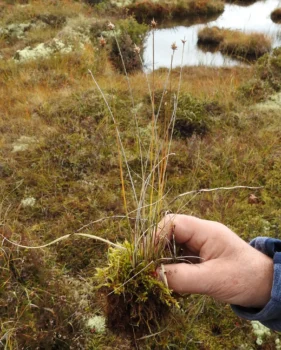
Capitate sedge is a grass-like perennial that belongs to the sedge family. Don’t let the grass-like description fool you though – sedges are quite different from true grasses and often much more interesting! The capitate part of its name refers to its distinctive seed heads that cluster together like little caps or heads at the tops of the stems.
This hardy native is built for endurance. As a perennial, it comes back year after year, slowly forming small tufts that add texture and natural beauty to garden spaces.
Where Does It Call Home?
Capitate sedge has an impressive native range that spans from Alaska down through Canada and into many western and northern U.S. states. You’ll find it naturally growing in Alberta, British Columbia, Alaska, Manitoba, California, Ontario, Colorado, Quebec, Saskatchewan, Yukon, Northwest Territories, Nunavut, Idaho, Montana, Nevada, New Hampshire, Oregon, Utah, Washington, Wyoming, Labrador, and Newfoundland.
- Species observed
- No observations
This wide distribution tells us something important: capitate sedge is incredibly adaptable and tough as nails!
Why Consider Capitate Sedge for Your Garden?
There are several compelling reasons to give this native sedge a spot in your landscape:
- Ultra-hardy: Thriving in USDA zones 2-6, this plant laughs in the face of harsh winters
- Native credentials: Supporting local ecosystems while requiring minimal inputs
- Flexible moisture needs: Can handle both wetland and drier conditions depending on your region
- Low maintenance: Once established, it pretty much takes care of itself
- Unique texture: Adds natural, grass-like structure to plantings
Perfect Garden Roles
Capitate sedge isn’t going to be the star of your flower border, and that’s perfectly fine! This plant excels in supporting roles where its understated beauty and reliability shine:
- Alpine and rock gardens: Handles the challenging conditions with ease
- Native plant gardens: Provides authentic local character
- Naturalistic landscapes: Blends seamlessly into wild-looking plantings
- Restoration projects: Helps stabilize soil and establish native plant communities
- Wet meadow gardens: Thrives in moisture-retentive soils
Growing Conditions and Care
The beauty of capitate sedge lies in its adaptability. Here’s what it prefers:
Moisture: This sedge has flexible water needs depending on your region. In some areas, it’s quite happy in wetland conditions, while in others it can tolerate drier soils. The key is consistent moisture during establishment.
Light: Full sun to partial shade works well, making it versatile for different garden spots.
Soil: Not particularly fussy, but prefers soils that don’t completely dry out.
Climate: Cool climate lover – this isn’t a plant for hot, humid regions.
Planting and Care Tips
Getting capitate sedge established is refreshingly straightforward:
- Plant in spring: Give it a full growing season to establish before winter
- Keep consistently moist: Especially important during the first year
- Mulch lightly: Helps retain moisture and suppress weeds
- Be patient: Like many natives, it may take a season or two to really take off
- Minimal fertilizing: These plants evolved in lean soils and don’t need rich conditions
Wildlife and Ecosystem Benefits
While capitate sedge might not be a major pollinator magnet (sedges are wind-pollinated), it still contributes to the ecosystem in valuable ways. Its seeds can provide food for birds, and the plant structure offers habitat for small wildlife. Most importantly, choosing native plants like this helps support the broader web of life in your local ecosystem.
Is Capitate Sedge Right for You?
Consider capitate sedge if you:
- Garden in a cool climate (zones 2-6)
- Want low-maintenance native plants
- Have naturally moist or occasionally wet soil
- Appreciate subtle, naturalistic beauty
- Are creating habitat or restoration plantings
This might not be your plant if you’re looking for showy flowers or live in a hot climate. But for the right gardener in the right place, capitate sedge offers the quiet satisfaction of growing a truly resilient native that’s been perfecting its survival skills for millennia.
Sometimes the best garden plants are the ones that simply do their job well without fanfare – and capitate sedge definitely fits that bill!