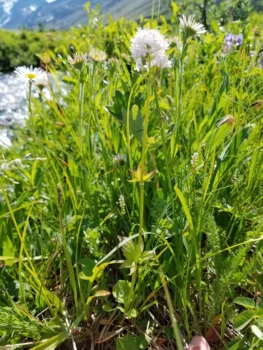
Capitate Valerian: A Hardy Northern Native for Cold-Climate Gardens
If you’re gardening in the far north and looking for a charming native wildflower that can handle your harsh winters, capitate valerian (Valeriana capitata) might be just the plant you’ve been searching for. This delightful little perennial brings clusters of delicate flowers to landscapes where many other plants simply can’t survive.
What Is Capitate Valerian?
Capitate valerian is a herbaceous perennial forb native to the coldest regions of North America. Unlike its woody cousins, this plant stays soft and green above ground, dying back each winter only to return faithfully each spring. The name capitate refers to its distinctive flower clusters that form dense, rounded heads—like tiny bouquets perched atop slender stems.
Where Does It Grow Naturally?
This tough little native calls some of North America’s most challenging climates home. You’ll find capitate valerian growing wild across Alaska, British Columbia, Yukon, and the Northwest Territories. It’s perfectly adapted to short growing seasons and long, frigid winters that would spell doom for most garden plants.
- Species observed
- No observations
Why Grow Capitate Valerian?
There are several compelling reasons to consider adding this northern native to your landscape:
- Extreme cold hardiness: Thrives in USDA zones 1-4, making it perfect for northern gardeners with limited plant options
- Pollinator magnet: The small white to pale pink flowers attract bees, butterflies, and other beneficial insects
- Low maintenance: Once established, it requires minimal care and attention
- Versatile moisture tolerance: Can handle both wetland conditions and drier sites, though it prefers consistent moisture
- Native plant benefits: Supports local ecosystems and wildlife
Garden Design Ideas
Capitate valerian works beautifully in several garden styles:
- Wild gardens: Perfect for naturalized areas where you want that just happened naturally look
- Rock gardens: Its compact size and delicate flowers complement alpine settings
- Native plant gardens: An authentic choice for showcasing regional flora
- Cottage gardens: Adds a sweet, informal charm with its clustered blooms
Growing Conditions and Care
The beauty of capitate valerian lies in its adaptability and low-maintenance nature:
- Light: Tolerates partial shade to full sun
- Soil: Prefers moist, well-draining soil enriched with organic matter
- Water: Appreciates consistent moisture but can handle some variation
- Climate: Extremely cold-hardy, perfect for zones 1-4
Planting and Establishment Tips
Getting capitate valerian established in your garden is straightforward:
- Plant in spring after the last frost, though this hardy native can handle early planting
- Space plants according to their mature spread, allowing room for natural colonization
- Water regularly during the first growing season to help establish strong roots
- Add compost or well-rotted organic matter to improve soil structure
- Once established, minimal intervention is needed—this plant knows how to take care of itself
Is Capitate Valerian Right for Your Garden?
Capitate valerian is an excellent choice if you’re gardening in extremely cold climates and want to support native plants and pollinators. Its delicate flowers belie its tough-as-nails constitution, making it perfect for gardeners who appreciate beauty without the fuss. However, if you’re gardening in warmer zones (5 and above), you’ll want to look for native alternatives better suited to your climate.
This charming northern native proves that some of the most resilient plants can also be among the most beautiful. In the harsh landscapes where it thrives, capitate valerian offers both gardeners and wildlife a welcome splash of gentle color and reliable performance year after year.