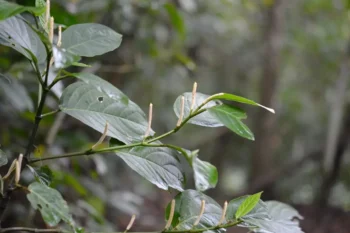
Caracas Pepper: A Native Puerto Rican Shrub Worth Knowing
If you’re exploring native plants of the Caribbean, you might come across Caracas pepper (Piper jacquemontianum), a lesser-known member of the pepper family that calls Puerto Rico home. While it may not be the showiest plant in your garden center, this native shrub has some interesting qualities that make it worth understanding.
What Is Caracas Pepper?
Caracas pepper is a perennial shrub that’s truly Puerto Rican through and through. This multi-stemmed woody plant typically grows to heights of 13-16 feet, though it can sometimes stretch taller or remain more compact depending on its environment. Like many shrubs, it tends to have several stems growing from near the ground, creating a bushy appearance over time.
You might also see this plant listed under its scientific synonyms Piper citrifolium or Piper wydlerianum in older botanical references, but Piper jacquemontianum is the accepted name today.
Where Does It Grow?
This shrub is native exclusively to Puerto Rico, where it has adapted to the island’s unique climate and growing conditions. It’s not found naturally anywhere else in the world, making it a true Puerto Rican endemic.
- Species observed
- No observations
Growing Conditions and Habitat
One of the most interesting things about Caracas pepper is its relationship with water. It’s classified as a facultative wetland plant, which means it usually prefers wetland conditions but can tolerate drier spots when needed. This flexibility makes it naturally adaptable to varying moisture levels.
Unfortunately, specific information about ideal growing conditions, hardiness zones, and cultivation requirements for this particular species is quite limited in gardening literature. This is often the case with native plants that haven’t been widely cultivated outside their natural range.
Should You Plant Caracas Pepper?
Here’s where things get a bit tricky. While Caracas pepper is undoubtedly a legitimate native plant of Puerto Rico, there’s very little information available about:
- How to successfully grow it in home gardens
- Its ornamental value or aesthetic appeal
- Specific care requirements
- Availability from nurseries
- Its benefits to local wildlife and pollinators
This doesn’t mean it’s not worth growing – it simply means that if you’re interested in this plant, you’ll likely need to do some detective work or consult with local Puerto Rican native plant experts.
The Bigger Picture
Caracas pepper represents something important in the world of native gardening: not every native plant has been thoroughly studied or widely cultivated. Some plants, particularly those from specific island ecosystems, remain somewhat mysterious in terms of their garden potential.
If you’re gardening in Puerto Rico and are interested in supporting truly local biodiversity, plants like Caracas pepper deserve consideration. However, you might want to start with better-documented native Puerto Rican plants while you research this one further.
Moving Forward
If Caracas pepper has caught your interest, consider reaching out to local botanical gardens, native plant societies, or university extension services in Puerto Rico. They may have more specific growing information or know where you might find seeds or plants from responsible sources.
Remember, every garden is an opportunity to support native ecosystems, and sometimes that means embracing a little mystery along with your plants. Who knows? You might become one of the first people to document how Caracas pepper performs in cultivation.