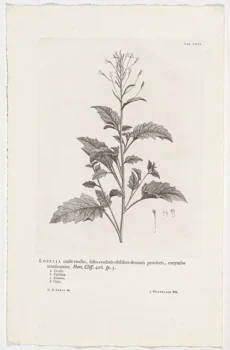
Cardenala Azul: A Hidden Gem Among Puerto Rico’s Native Flora
If you’re passionate about native gardening in Puerto Rico or the Caribbean, you might be intrigued by a lesser-known annual called cardenala azul (Lobelia cliffortiana). This native Puerto Rican plant represents the kind of botanical treasure that makes island flora so special – and so challenging for home gardeners to explore.
What Makes Cardenala Azul Special?
Cardenala azul belongs to the bellflower family and grows as an annual forb – essentially a soft-stemmed herbaceous plant that completes its entire life cycle in one growing season. Unlike woody shrubs or trees, this plant puts all its energy into flowering and seed production before the year is out, making it a fleeting but potentially rewarding addition to native plant gardens.
Where Does It Call Home?
This plant is endemic to Puerto Rico, meaning it naturally occurs nowhere else in the world. As a true island native, cardenala azul represents part of Puerto Rico’s unique botanical heritage. Its presence adds to the incredible diversity that makes Caribbean flora so distinct from mainland plant communities.
- Species observed
- No observations
Growing Conditions and Habitat Preferences
Based on its wetland classification, cardenala azul is quite adaptable when it comes to moisture conditions. It has a facultative wetland status in the Caribbean region, which means you might find it thriving in both wet and moderately dry locations. This flexibility could make it an interesting choice for gardeners dealing with variable rainfall or irrigation conditions.
As an annual forb, it likely prefers:
- Areas with good drainage that can also handle occasional moisture
- Tropical to subtropical climate conditions
- Locations that mimic its natural Puerto Rican habitat
The Challenge of Growing Lesser-Known Natives
Here’s where things get tricky for eager native plant gardeners: cardenala azul falls into that challenging category of plants that are botanically documented but horticulturally mysterious. While we know it exists and where it’s from, detailed growing guides and seed sources are practically non-existent in mainstream gardening circles.
This doesn’t mean you should give up on it entirely, but it does mean you’ll need to be a bit of a plant detective if you want to try growing it. The lack of readily available information suggests this might be a rare or uncommon species, even within its native Puerto Rico.
Why Consider Native Plants Like Cardenala Azul?
Even if growing cardenala azul proves challenging, there are compelling reasons to seek out Puerto Rico’s native plants:
- They’re perfectly adapted to local climate conditions
- They support native wildlife and pollinators
- They help preserve genetic diversity and cultural heritage
- They often require fewer resources once established
Alternative Approaches for Native Plant Enthusiasts
If you’re inspired by cardenala azul but can’t locate seeds or plants, consider these strategies:
- Connect with local botanical gardens or native plant societies in Puerto Rico
- Look for other native Lobelia species that might be more readily available
- Focus on building a foundation of well-documented native plants first
- Support conservation efforts for rare Caribbean flora
The Bigger Picture
Plants like cardenala azul remind us that native gardening isn’t just about what’s easy to grow – it’s about connecting with the unique ecological story of our regions. Even if this particular species remains elusive for home gardeners, learning about it deepens our appreciation for the incredible diversity of plant life that calls the Caribbean home.
Sometimes the most valuable plants are the ones that make us pause, research, and think more deeply about the natural world around us. Cardenala azul might just be one of those plants for Puerto Rican gardeners willing to embrace the challenge of truly local horticulture.