Caribbean Applecactus: A Rare Florida Native Worth Protecting
Meet the Caribbean applecactus (Harrisia fragrans), one of Florida’s most endangered native cacti and a true botanical treasure hiding in plain sight. This isn’t your typical prickly pear – it’s a towering, columnar beauty that deserves a spot in every South Florida native garden, though getting your hands on one requires some careful consideration.
A Critically Rare Native
The Caribbean applecactus is exclusively native to South Florida, where it once thrived in pine rocklands and tropical hardwood hammocks. Today, this perennial shrub holds the sobering distinction of being critically imperiled with a Global Conservation Status of S1. With typically 5 or fewer occurrences and very few remaining individuals (less than 1,000), it’s officially listed as Endangered in the United States.
This rarity makes the Caribbean applecactus both incredibly special and responsibility-demanding for gardeners. If you’re considering adding one to your landscape, it’s absolutely crucial to source plants only from reputable native plant nurseries that propagate from legally collected seeds or cuttings – never from wild populations.
Where You’ll Find It Growing Wild
Harrisia fragrans grows naturally only in Florida, making it a true endemic species. Its limited range adds to both its conservation importance and its value as an authentic piece of Florida’s natural heritage.
- Species observed
- No observations
What Makes It Special
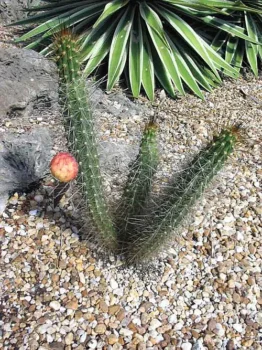
This isn’t just any cactus – the Caribbean applecactus is a multi-stemmed shrub that typically reaches 4 to 5 meters (13 to 16 feet) in height, though it can grow taller under ideal conditions. Its segmented, columnar stems create an architectural presence that’s both striking and uniquely Floridian.
The real showstopper happens at night. This cactus produces large, fragrant white flowers that open after dark, filling the evening air with their sweet perfume. These nocturnal blooms are perfectly adapted to attract their primary pollinators – bats and night-flying moths. Following the flowers, the plant develops attractive red fruits that provide food for local wildlife.
Perfect for Native Florida Gardens
If you’re fortunate enough to obtain a responsibly sourced Caribbean applecactus, it makes an excellent specimen plant for:
- Native Florida landscapes
- Drought-tolerant xerophytic gardens
- Rock gardens and desert-themed spaces
- Conservation-focused native plant collections
This cactus thrives in USDA hardiness zones 10-11, making it suitable only for South Florida’s frost-free climate. Its dramatic vertical form provides excellent contrast against lower-growing native plants and serves as a living piece of Florida’s botanical history.
Growing Conditions and Care
Like most cacti, the Caribbean applecactus demands excellent drainage above all else. Plant it in sandy or rocky soil that never stays soggy, and choose a location with full sun to partial shade. Once established, it’s remarkably drought tolerant – a trait that made it well-adapted to Florida’s pine rockland habitat.
Key growing requirements include:
- Soil: Well-draining, sandy or rocky soil
- Water: Minimal once established; avoid overwatering
- Light: Full sun to partial shade
- Climate: Frost-free areas only (zones 10-11)
The most critical care tip? Protect it from frost at all costs. Even brief cold snaps can damage or kill this tropical native.
Supporting Conservation Through Responsible Gardening
By choosing to grow a Caribbean applecactus from responsibly sourced material, you’re participating in conservation efforts for one of Florida’s rarest plants. Your garden becomes a genetic reservoir and a living reminder of what we stand to lose if we don’t protect our native ecosystems.
Remember, never collect plants from the wild, and always purchase from reputable nurseries that can verify their propagation methods. Every responsibly grown Caribbean applecactus in cultivation helps ensure this remarkable species has a future beyond its few remaining wild populations.
The Bottom Line
The Caribbean applecactus represents both an opportunity and a responsibility for Florida gardeners. Its stunning architectural form, fragrant nocturnal blooms, and deep ecological connections make it a worthy addition to any native plant collection. However, its critically endangered status means that growing one comes with the serious obligation to source it responsibly and help protect this irreplaceable piece of Florida’s natural heritage.
If you’re up for the challenge and can find a responsibly sourced plant, the Caribbean applecactus will reward you with years of unique beauty while connecting your garden to Florida’s wild places. Just remember – with great plants comes great responsibility.