Caribbean Beaksedge: A Native Sedge for Wet Gardens
If you’re looking to add authentic Caribbean flair to your wetland garden, meet Caribbean beaksedge (Rhynchospora marisculus) – a humble yet hardy native sedge that’s perfectly at home in soggy soils. While it may not win any beauty contests, this unassuming perennial grass-like plant has some serious staying power in challenging wet conditions.
What is Caribbean Beaksedge?
Caribbean beaksedge is a perennial sedge native to Puerto Rico and the broader Caribbean region. Like other members of the sedge family, it’s a graminoid – meaning it looks grass-like but isn’t actually a true grass. You might occasionally see it listed under its scientific synonym Rhynchospora borinquensis, but Rhynchospora marisculus is the accepted name.
Where Does It Grow Naturally?
This sedge is a true Caribbean native, naturally occurring in Puerto Rico where it thrives in the island’s wetland habitats. Its distribution is quite limited, making it a special addition for gardeners in suitable climates who want to grow truly local plants.
- Species observed
- No observations
What Does It Look Like?
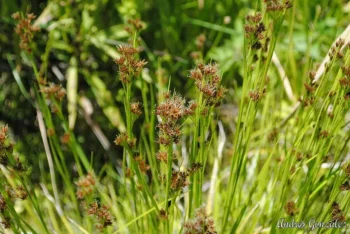
Don’t expect showy flowers or dramatic foliage – Caribbean beaksedge is more about function than flash. This modest plant features narrow, linear leaves and produces small, brownish flower clusters that are typical of the sedge family. It’s the kind of plant that blends into naturalistic settings beautifully, providing texture and structure without stealing the spotlight.
Growing Conditions
Caribbean beaksedge is classified as a facultative wetland plant, which means it usually grows in wetlands but can occasionally tolerate drier conditions. Here’s what it needs to thrive:
- Moisture: Consistently moist to wet soil; can handle seasonal flooding
- Light: Full sun to partial shade
- Climate: USDA hardiness zones 10-11 (tropical and subtropical regions)
- Soil: Adapts to various wet soil types
Perfect Garden Settings
Caribbean beaksedge shines in specialized garden situations:
- Rain gardens and bioswales
- Bog gardens and wetland plantings
- Naturalistic coastal landscapes
- Erosion control on wet slopes
- Native plant gardens in appropriate climates
Planting and Care Tips
The good news? Caribbean beaksedge is refreshingly low-maintenance once you get it established in the right spot:
- Plant in consistently moist or wet soil – this is non-negotiable
- Ensure good drainage during establishment, despite its love of moisture
- Minimal fertilization needed; it’s adapted to naturally nutrient-poor wetland soils
- Divide clumps every few years if you want to propagate or control spread
- Very little pruning required – just remove dead material as needed
Wildlife and Ecosystem Value
While Caribbean beaksedge is wind-pollinated and doesn’t directly attract pollinators like bees and butterflies, it plays an important supporting role in wetland ecosystems. Native sedges like this one provide habitat structure, help with water filtration, and contribute to the overall biodiversity that healthy ecosystems depend on.
Should You Plant Caribbean Beaksedge?
Caribbean beaksedge is an excellent choice if you:
- Live in USDA zones 10-11
- Have consistently wet or boggy areas in your landscape
- Want to support native Caribbean plant communities
- Prefer low-maintenance, functional plants over showy ornamentals
- Are creating naturalistic wetland gardens
However, it’s probably not the right fit if you have dry garden conditions or live outside its narrow hardiness range. For most mainland US gardeners, you’ll want to look for native sedges better adapted to your local climate.
The Bottom Line
Caribbean beaksedge may not be the flashiest plant in the garden center, but for the right situation – and the right gardener – it’s a wonderfully practical native choice. If you’ve got wet feet (so to speak) in your landscape and live in the right climate zone, this sturdy sedge could be exactly what your naturalistic garden needs.