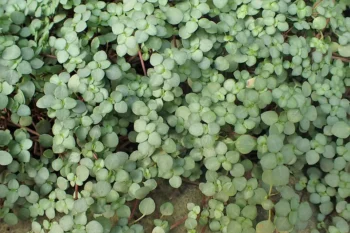
Caribbean Clearweed: A Tiny Native Groundcover for Wet Spots
If you’re dealing with a perpetually soggy spot in your garden and live in the warm climates of the southeastern United States or Caribbean, you might want to get acquainted with Caribbean clearweed (Pilea herniarioides). This little-known native plant might just be the solution to your wetland woes – though it’s definitely not your typical garden showstopper.
What Exactly Is Caribbean Clearweed?
Caribbean clearweed is a small, perennial forb that’s perfectly at home in wet places. Don’t expect towering blooms or flashy foliage – this plant is all about subtle charm. It forms low, creeping mats of tiny, rounded leaves that hug the ground, creating a delicate carpet effect. The flowers are practically invisible to the naked eye, which is probably why it earned the clearweed part of its name.
You might also see this plant referenced by its scientific name, Pilea herniarioides, or its botanical synonym, Urtica herniarioides. It belongs to the nettle family, though thankfully without the sting!
Where Does It Call Home?
This moisture-loving native has quite a range across the warmer parts of North America and the Caribbean. You’ll find it naturally occurring in Alabama, Florida, Puerto Rico, and the U.S. Virgin Islands. It’s perfectly adapted to the humid, wet conditions of these regions.
- Species observed
- No observations
Why You Might (Or Might Not) Want to Grow It
Let’s be honest – Caribbean clearweed isn’t going to win any beauty contests. But here’s why it might earn a spot in your garden:
- It’s a wetland warrior: This plant thrives in soggy conditions where other plants struggle or die
- Native plant benefits: Supporting local ecosystems never goes out of style
- Low maintenance: Once established in the right conditions, it pretty much takes care of itself
- Natural groundcover: Creates a living carpet in wet areas
On the flip side, this plant definitely has its limitations:
- Climate restrictions: Only suitable for USDA zones 9-11
- Wet soil requirement: This isn’t negotiable – it needs consistently moist to wet conditions
- Minimal visual impact: Don’t expect dramatic garden focal points
- Limited pollinator appeal: The tiny, wind-pollinated flowers don’t attract bees or butterflies
Perfect Garden Situations
Caribbean clearweed shines (in its own quiet way) in specific garden scenarios:
- Rain gardens and bioswales
- Bog gardens
- Wetland restoration projects
- Native plant gardens in appropriate climates
- Problem areas with poor drainage
Growing Caribbean Clearweed Successfully
The secret to success with this plant is simple: keep it wet and warm. Here’s what you need to know:
Soil Requirements: Consistently moist to wet soil is non-negotiable. This plant has obligate wetland status, meaning it almost always occurs in wetland conditions. Regular garden soil just won’t cut it.
Light Conditions: Caribbean clearweed can handle both partial shade and full sun, as long as moisture levels remain high.
Climate Needs: This is strictly a warm-climate plant, suitable only for USDA hardiness zones 9-11. It needs high humidity and warm temperatures year-round.
Maintenance: Once established, this plant requires minimal care. It may spread naturally in suitable conditions, forming larger colonies over time.
The Bottom Line
Caribbean clearweed is definitely a niche plant for niche situations. If you live in the right climate and have a wet area that needs covering, this native groundcover could be exactly what you need. Just don’t plant it expecting garden drama – this one’s all about quiet functionality.
For gardeners outside its natural range or those looking for more ornamental options, consider researching native wetland plants specific to your region. Your local native plant society or extension office can suggest alternatives that provide similar ecological benefits while being better suited to your specific location and climate.