Caribbean Seagrass: The Underwater Native That’s Not for Your Garden
If you’ve stumbled upon Caribbean seagrass (Halophila decipiens) while researching native plants for your garden, you might be wondering why this perennial seems so mysterious. Well, here’s the twist that might surprise you: this isn’t a plant for your backyard at all! Caribbean seagrass is actually a marine plant that lives its entire life underwater in saltwater environments.
What Exactly Is Caribbean Seagrass?
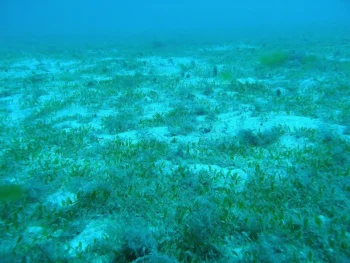
Caribbean seagrass is a fascinating aquatic plant that belongs to a unique group of flowering plants that have adapted to life completely submerged in the ocean. Unlike the grasses in your lawn, this little marine marvel has small, oval-shaped leaves that grow in pairs along delicate stems, creating underwater meadows that sway gracefully with the ocean currents.
As a forb (a vascular plant without significant woody tissue), Caribbean seagrass forms carpet-like underwater landscapes that are both beautiful and ecologically crucial. Think of it as nature’s underwater lawn, but one that provides critical habitat for marine life.
Where Does Caribbean Seagrass Call Home?
This native species thrives in the warm, shallow coastal waters of Florida, Puerto Rico, and the U.S. Virgin Islands. You’ll find it growing in sandy or muddy ocean floors, typically in areas where sunlight can still penetrate the water to fuel photosynthesis.
- Species observed
- No observations
Why This Plant Isn’t Garden-Friendly
Here’s where we need to set realistic expectations: Caribbean seagrass requires very specific conditions that simply can’t be replicated in a traditional garden setting. As an obligate wetland species that lives exclusively in saltwater environments, it needs:
- Constant saltwater immersion
- Sandy or muddy marine substrates
- Warm ocean temperatures
- Specific water depth and light conditions
- Natural ocean currents for reproduction
Unless you’re planning a marine aquarium research project or involved in coastal restoration efforts, this isn’t a plant you can add to your landscape design.
The Ecological Superstar You Can’t Grow
While you can’t plant Caribbean seagrass in your garden, it’s worth appreciating what this underwater native accomplishes in its marine environment. These seagrass beds serve as nurseries for fish, provide food for marine animals, and help stabilize ocean floor sediments. They’re essentially the foundation of healthy coastal ecosystems.
Native Alternatives for Your Actual Garden
If you’re interested in supporting native ecosystems in Florida, Puerto Rico, or the Virgin Islands, consider these terrestrial alternatives that can thrive in your landscape:
- For wetland areas: Native rushes, sedges, or cattails
- For coastal gardens: Sea oats, beach sunflower, or salt-tolerant native grasses
- For general landscaping: Regional native wildflowers and shrubs
Supporting Marine Conservation from Land
While you can’t grow Caribbean seagrass in your backyard, you can still support its conservation. Choose native plants for your landscape that help prevent erosion and reduce runoff into coastal waters. Healthy terrestrial ecosystems help maintain the water quality that marine plants like Caribbean seagrass need to thrive.
So while Caribbean seagrass won’t be joining your garden party anytime soon, understanding and appreciating these underwater natives helps us better protect the complete ecosystems that make our coastal regions so special.