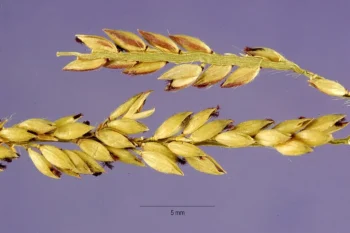
Caribgrass: A Fast-Growing Native Grass for Southern Wetland Gardens
If you’re looking to add some authentic Southern charm to your landscape while supporting local ecosystems, Caribgrass (Eriochloa polystachya) might just be the native grass you’ve been searching for. This unassuming but hardy graminoid brings both practical benefits and natural beauty to the right garden setting.
What Makes Caribgrass Special?
Caribgrass is a true native of the American South, naturally occurring in Florida, Mississippi, Texas, and Puerto Rico. This annual to perennial grass has earned its place in the native plant palette through its adaptability and rapid growth. You might also see it listed under its botanical synonym, Eriochloa subglabra, in older gardening references.
What sets this grass apart is its stoloniferous growth form—meaning it spreads via above-ground runners, creating a natural carpet effect. At maturity, it reaches about 3 feet tall with a lovely erect, spreading habit that adds texture and movement to any landscape.
- Species observed
- No observations
Where Caribgrass Thrives
This grass has a particular fondness for wetland environments, earning a Facultative Wetland status in both the Atlantic and Gulf Coastal Plain regions and the Caribbean. While it usually prefers moist conditions, Caribgrass is surprisingly flexible and can tolerate drier sites when needed.
Ideal growing conditions include:
- Acidic soils with pH between 5.0-6.5
- Areas with 48-100 inches of annual precipitation
- Warm climates with at least 311 frost-free days
- Full sun exposure (shade intolerant)
- Temperatures not dropping below 18°F
Perfect for the Right Garden
Caribgrass isn’t your typical manicured lawn grass, and that’s exactly its charm. This native beauty shines in:
- Naturalized landscapes where you want that authentic, wild look
- Wetland gardens and rain gardens where its moisture tolerance is an asset
- Erosion control projects thanks to its rapid growth and spreading habit
- Native plant gardens focused on supporting local ecosystems
With its coarse texture and green foliage, Caribgrass provides excellent contrast when planted alongside broadleaf native plants. Its rapid growth rate means you’ll see results quickly, though its relatively short lifespan means it’s best viewed as part of a dynamic, changing landscape rather than a permanent fixture.
Growing and Care Tips
One of Caribgrass’s best qualities is how easy it is to establish and maintain. Here’s what you need to know:
Propagation: This grass can be grown from seed or established via sod. Seeds show high vigor, making direct seeding a viable option for larger areas.
Planting density: Plan for 5,120 to 20,000 plants per acre, depending on your coverage goals.
Active growing season: Spring and summer are when you’ll see the most vigorous growth.
Maintenance: Once established, Caribgrass is relatively low-maintenance. Its moderate drought tolerance means occasional watering during dry spells, but it generally thrives with minimal intervention.
Wildlife and Ecosystem Benefits
As a native grass, Caribgrass plays an important role in supporting local wildlife communities. While it may not be the showiest pollinator plant (being wind-pollinated), it provides habitat structure and contributes to the complex web of native plant communities that wildlife depends on.
The grass produces small seeds that can provide food for birds, and its dense growth habit offers shelter for small wildlife. Its wetland preferences also make it valuable for creating habitat in moisture-retentive areas of your landscape.
Is Caribgrass Right for Your Garden?
Caribgrass is an excellent choice if you’re creating a native landscape in the Southeast, particularly in areas that stay consistently moist. It’s perfect for gardeners who appreciate the natural, somewhat wild aesthetic of native grasslands and wetland edges.
However, this isn’t the grass for formal landscapes or areas where you need precise, manicured appearance. Its rapid growth and relatively short lifespan mean it’s part of a dynamic ecosystem rather than a static landscape element.
If you’re committed to supporting native wildlife and creating authentic regional landscapes, Caribgrass offers an excellent way to add texture, movement, and ecological value to your garden while celebrating the natural heritage of the American South.