Carolina Alumroot: A Delicate Native Beauty for Shady Spots
If you’re looking to add a touch of understated elegance to your shade garden, Carolina alumroot (Heuchera caroliniana) might just be the perfect plant you’ve never heard of. This charming native perennial brings delicate beauty to woodland settings while supporting local ecosystems in its own quiet way.
What Makes Carolina Alumroot Special
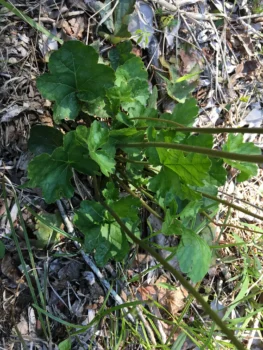
Carolina alumroot is a native perennial forb that calls the southeastern United States home. Unlike its more flamboyant coral bells cousins that have taken garden centers by storm, this species keeps things simple and sophisticated. It produces neat mounds of rounded, lobed leaves topped with airy sprays of tiny white to greenish flowers that dance on slender stems in late spring to early summer.
This plant is native to Virginia, North Carolina, and South Carolina, where it naturally grows in woodland understories and rocky slopes. Its scientific name might sound intimidating, but think of it as nature’s own little groundcover gem.
- Species observed
- No observations
A Plant That Needs Our Help
Here’s something important to know: Carolina alumroot has a vulnerable conservation status, with only an estimated 21 to 100 populations remaining in the wild. This makes it a plant worth preserving, but it also means we need to be thoughtful gardeners. If you decide to grow Carolina alumroot, make sure you source it from reputable native plant nurseries that propagate their own stock rather than wild-collecting.
Garden Appeal and Design Role
While Carolina alumroot may not stop traffic with bold colors, its subtle charm makes it perfect for:
- Woodland and shade gardens where it can naturalize
- Rock gardens that mimic its native habitat
- Native plant collections
- Groundcover in areas with dappled sunlight
This low-growing perennial typically reaches about 6-12 inches tall with a similar spread, making it ideal for edging pathways or filling in gaps between larger shade plants. Its delicate flower stalks add vertical interest without overwhelming smaller garden spaces.
Growing Carolina Alumroot Successfully
The good news is that Carolina alumroot isn’t particularly fussy once you understand its preferences. Here’s how to keep it happy:
Light and Location: This plant thrives in partial to full shade. Think of the dappled light under deciduous trees or the bright shade on the north side of buildings.
Soil Requirements: Well-draining soil is crucial. Carolina alumroot appreciates soil that doesn’t stay soggy, especially in winter. If you have heavy clay, consider adding compost or creating a raised bed.
Hardiness: You can grow Carolina alumroot in USDA hardiness zones 5 through 8, making it suitable for much of the country despite its limited native range.
Watering: Once established, this plant has moderate water needs. It’s more drought-tolerant than many shade plants, but don’t let it get bone dry during extended hot spells.
Planting and Care Tips
- Plant in spring or fall when temperatures are moderate
- Space plants about 12 inches apart for groundcover effect
- Apply a light layer of mulch to retain moisture and suppress weeds
- Divide clumps every 3-4 years to maintain vigor
- Remove spent flower stalks to encourage fresh growth
Wildlife and Pollinator Benefits
While Carolina alumroot may seem modest, it plays its part in supporting local wildlife. The small flowers attract various pollinators, particularly flies and small native bees that specialize in visiting tiny blooms. Its seeds may also provide food for small birds and insects.
Should You Grow Carolina Alumroot?
If you have a shade garden and appreciate subtle beauty over flashy displays, Carolina alumroot could be a wonderful addition to your plant palette. Its vulnerable status makes it even more special – by growing it responsibly, you’re participating in conservation efforts while enjoying a truly unique native plant.
Just remember to source your plants ethically, give them the well-draining shade they crave, and enjoy watching this gentle native settle into your garden ecosystem. Sometimes the most rewarding plants are the ones that whisper rather than shout.