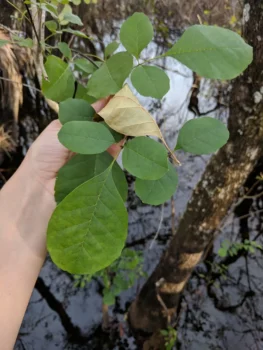
Carolina Ash: The Ultimate Wetland Wonder for Your Water-Loving Garden
If you’ve been dreaming of creating a lush wetland garden or need a native solution for that perpetually soggy spot in your yard, meet your new best friend: the Carolina ash (Fraxinus caroliniana). This southeastern native is like that friend who absolutely thrives in situations that would leave others wilting – in this case, standing water and swampy conditions.
What Exactly Is Carolina Ash?
Carolina ash is a perennial shrub or small tree that’s perfectly content living with its feet wet. Unlike its drought-tolerant cousins, this member of the ash family has evolved to love what most plants hate: waterlogged soil. You might also see it listed under its scientific synonyms like Fraxinus pauciflora, but Carolina ash is the name that’ll serve you best at the nursery.
Where Does Carolina Ash Call Home?
This native beauty has quite the southern charm, naturally occurring across the southeastern United States. You’ll find wild populations thriving in Alabama, Arkansas, Florida, Georgia, Louisiana, Mississippi, North Carolina, South Carolina, Texas, and Virginia. It’s particularly fond of coastal plains and wetland areas where it can really show off its water-loving superpowers.
- Species observed
- No observations
The Look and Feel
Carolina ash typically grows as a multi-stemmed shrub, though it can develop into a single-stemmed small tree under the right conditions. Here’s what you can expect:
- Height: Up to 39 feet at maturity (though usually much smaller)
- Growth rate: Moderate – not lightning fast, but steady progress
- Foliage: Coarse-textured green leaves that create dense summer shade
- Fall interest: Yes! The leaves put on a show before dropping
- Flowers: Small, green, and honestly not much to write home about
- Fruit: Small black seeds that aren’t particularly showy
Why You Might Want to Plant Carolina Ash
If you’re dealing with wet, boggy conditions where other plants fear to tread, Carolina ash could be your hero plant. It’s classified as Obligate Wetland in both the Atlantic and Gulf Coastal Plain and Eastern Mountains and Piedmont regions – fancy talk for this plant almost always lives in wetlands.
Here’s where Carolina ash really shines:
- Rain gardens and bioswales
- Pond edges and stream banks
- Low-lying areas that flood seasonally
- Native plant gardens focused on wetland species
- Habitat restoration projects
Growing Carolina Ash Successfully
The secret to happy Carolina ash? Think swamp life. This plant has very specific needs that you’ll want to nail down:
Soil Requirements
- Loves coarse and medium-textured soils
- Avoid fine-textured clay soils
- Prefers acidic conditions (pH 3.5-6.0)
- High tolerance for waterlogged, anaerobic conditions
Water and Climate Needs
- High moisture requirements – drought tolerance is essentially zero
- Thrives in USDA hardiness zones 8-10 (needs at least 200 frost-free days)
- Requires 36-65 inches of annual precipitation
- Can handle temporary flooding like a champ
Light and Spacing
- Shade tolerant – happy in partial shade to full sun
- Space plants 692-2,728 per acre depending on your goals
- Minimum root depth of 12 inches
Planting and Care Tips
Getting started with Carolina ash is refreshingly straightforward if you can meet its moisture needs:
- Plant in spring for best establishment
- Available as bare root or container plants
- Can be grown from seed (about 5,744 seeds per pound)
- No cold stratification needed for seeds
- High seedling vigor once established
- Medium fertility requirements – not overly fussy about nutrients
The plant has good resprout ability and can be coppiced if needed, making it fairly resilient once established in the right conditions.
The Reality Check
Let’s be honest – Carolina ash isn’t for everyone. If you’re dealing with dry conditions, well-drained soil, or looking for a low-maintenance landscape tree, this probably isn’t your plant. It’s also not fire resistant and has low tolerance for drought, salt, and alkaline soils.
However, if you’re working with challenging wet conditions or want to create authentic wetland habitat, Carolina ash could be exactly what you need. It’s commercially available, supports native ecosystems, and provides that authentic southeastern wetland feel that’s hard to replicate with non-native alternatives.
The Bottom Line
Carolina ash is the specialist you call when the going gets wet. It’s not trying to be everything to everyone – instead, it’s absolutely brilliant at doing one thing very well: thriving in waterlogged conditions where most plants would literally drown. If you have the right conditions and appreciate plants that are perfectly adapted to their niche, Carolina ash might just be the unique addition your garden has been waiting for.