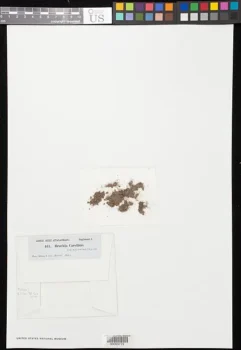
Carolina Bruchia Moss: The Tiny Pioneer You’ve Probably Never Noticed
Meet Carolina bruchia moss (Bruchia carolinae), one of nature’s smallest but most fascinating pioneers. This tiny moss might not catch your eye like a showy wildflower, but it plays an important role in the natural world and could very well be growing in your yard right now without you knowing it!
What Exactly Is Carolina Bruchia Moss?
Carolina bruchia moss is a terrestrial bryophyte – that’s the fancy scientific term for the group that includes mosses, hornworts, and liverworts. Unlike the flowering plants we typically think of when gardening, this little moss is always herbaceous and often attaches itself to solid objects like rocks, wood, or even bare soil rather than developing an extensive root system.
As a native North American species, this moss has been quietly doing its job in our ecosystems long before European settlers arrived. It holds a Global Conservation Status of S3?, which means its conservation status is still being determined – making it all the more intriguing!
Where You’ll Find This Tiny Treasure
Carolina bruchia moss calls the southeastern United States home, with populations documented primarily in North and South Carolina. It’s particularly fond of disturbed soils and sandy areas where other plants might struggle to establish themselves.
Is Carolina Bruchia Moss Good for Your Garden?
While you won’t find Carolina bruchia moss at your local nursery, it can be a beneficial presence in your landscape ecosystem. Here’s why this tiny moss deserves some appreciation:
- Acts as a soil stabilizer on bare or disturbed ground
- Helps prevent erosion in sandy areas
- Provides habitat for microscopic wildlife
- Indicates healthy soil conditions when it appears naturally
Since mosses don’t produce flowers, Carolina bruchia moss won’t attract pollinators like bees or butterflies. However, it contributes to the overall biodiversity of your garden ecosystem in subtle but important ways.
How to Identify Carolina Bruchia Moss
Spotting Carolina bruchia moss requires a keen eye, as it’s quite small and easily overlooked. Look for these characteristics:
- Tiny, inconspicuous growth form
- Small capsules that contain spores
- Preference for bare, sandy, or recently disturbed soil
- Terrestrial habitat (growing on ground rather than trees or rocks)
You’re most likely to encounter this moss in areas where the soil has been recently disturbed, such as along pathways, in garden beds that have been recently worked, or in sandy areas of your landscape.
Should You Encourage Carolina Bruchia Moss?
The short answer is: if it shows up naturally, consider it a welcome guest! This native moss isn’t something you can purchase or intentionally cultivate, but its presence indicates that your garden is supporting native biodiversity.
If you’re interested in supporting native mosses like Carolina bruchia moss in your landscape, consider:
- Leaving some areas of bare or lightly disturbed soil
- Avoiding excessive use of herbicides and pesticides
- Maintaining areas with sandy or well-draining soil
- Being patient – mosses establish themselves on their own timeline
The Bottom Line
Carolina bruchia moss might be small and easy to miss, but it’s a fascinating example of the native biodiversity that can exist right under our noses. While you can’t plant it intentionally, you can create conditions that welcome native mosses and other small-scale wildlife to your garden. Sometimes the most interesting garden residents are the ones that choose you, rather than the ones you choose!
Next time you’re walking through your garden, take a moment to look closely at those bare patches of soil. You might just spot this tiny native pioneer doing its quiet work of stabilizing soil and supporting the intricate web of life that makes healthy ecosystems thrive.