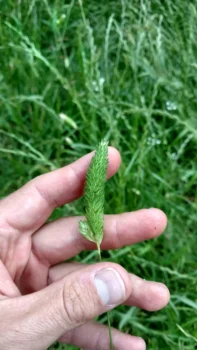
Carolina Canarygrass: A Versatile Native Grass for Wet Areas
Looking for a native grass that doesn’t mind getting its feet wet? Meet Carolina canarygrass (Phalaris caroliniana), a hardy annual that’s perfectly at home in those soggy spots where other plants struggle. This unassuming native grass might not be the showiest plant in your garden, but it’s definitely one of the most practical.
What Is Carolina Canarygrass?
Carolina canarygrass is a native annual grass that belongs to the graminoid family – that’s botanist-speak for grass and grass-like plants. True to its annual nature, this plant completes its entire life cycle in one growing season, making it a reliable self-seeder in the right conditions.
This native beauty calls the lower 48 states home, with populations thriving across a impressive range that includes Alabama, Arizona, Arkansas, California, Colorado, Delaware, Florida, Georgia, Kansas, Kentucky, Louisiana, Maryland, Mississippi, Missouri, Nevada, New Mexico, North Carolina, Ohio, Oklahoma, Oregon, South Carolina, Tennessee, Texas, and Virginia.
- Species observed
- No observations
Why Grow Carolina Canarygrass?
Here’s where this grass really shines: it’s classified as a facultative wetland plant across all regions of the United States. This means it usually occurs in wetlands but can also handle drier conditions when needed. Talk about adaptability!
Perfect for These Garden Situations
- Rain gardens and bioswales
- Pond edges and stream banks
- Prairie and meadow restorations
- Naturalized landscape areas
- Erosion control on slopes
- Wildlife habitat gardens
What to Expect
Carolina canarygrass typically grows 1-3 feet tall with narrow, grass-like leaves and compact seed heads. As an annual, it won’t stick around year after year as the same plant, but it’s quite good at dropping seeds for next year’s show. The plant has a relatively fast growth rate and can fill in areas quickly during the growing season.
Growing Conditions
This grass is refreshingly easy-going about its growing conditions:
- Light: Full sun to partial shade
- Soil: Moist to wet soils, tolerates seasonal flooding
- Hardiness: USDA zones 6-10
- Water: Consistent moisture preferred, excellent drought tolerance once established
Planting and Care Tips
The beauty of native annuals like Carolina canarygrass is their low-maintenance nature:
- Direct seed in fall or early spring when soil temperatures are cool
- Scatter seeds on prepared soil surface – light coverage is fine
- Keep soil consistently moist during germination
- Once established, minimal care is needed
- Allow plants to go to seed naturally for next year’s crop
Wildlife and Ecological Benefits
While Carolina canarygrass is wind-pollinated and doesn’t directly attract pollinators like flowering plants do, it plays an important role in the ecosystem. The grass provides structure and habitat for beneficial insects, and its seeds can be a food source for various wildlife species. In wetland areas, it helps with erosion control and water filtration.
Is This Grass Right for Your Garden?
Carolina canarygrass is an excellent choice if you’re looking to support native ecosystems, need erosion control in wet areas, or want to add authentic native character to prairie or meadow plantings. It’s not the grass for formal lawns or high-traffic areas, but it’s perfect for naturalized spaces where you want reliable, low-maintenance ground cover.
Since it’s an annual, don’t expect it to form permanent clumps like perennial grasses. Instead, think of it as nature’s way of filling in the gaps and providing quick cover while longer-lived plants get established.
The Bottom Line
Carolina canarygrass might not win any beauty contests, but it’s a dependable native that earns its keep through adaptability and ecological value. If you’ve got wet spots to fill, erosion to control, or simply want to support native plant communities, this humble grass deserves a spot in your landscape toolkit.