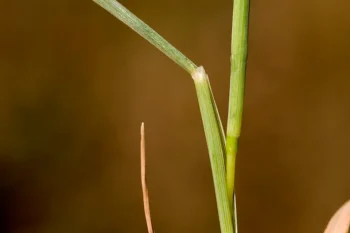
Carolina Crabgrass: A Native Grass Worth Getting to Know
Don’t let the name fool you—Carolina crabgrass (Digitaria pubiflora) isn’t your typical lawn nemesis. This native perennial grass deserves a spot in your garden, especially if you’re looking to create sustainable, low-maintenance landscapes that support local ecosystems. While it might not win any beauty contests, this humble grass plays an important role in native plant communities across the American Southwest.
What Exactly Is Carolina Crabgrass?
Carolina crabgrass is a native perennial grass that’s quite different from the annual crabgrass species that gardeners typically battle in their lawns. This southwestern native belongs to the graminoid family, which includes grasses, sedges, and rushes. As a perennial, it returns year after year, forming a more stable presence in your landscape than its weedy cousins.
The plant goes by the scientific name Digitaria pubiflora and has had several other botanical names throughout history as scientists have reclassified it over the years.
Where Does It Call Home?
This native grass has made itself at home across five southwestern states: Arizona, Colorado, New Mexico, Oklahoma, and Texas. It’s perfectly adapted to the challenging conditions of this region, from high desert environments to prairie grasslands.
- Species observed
- No observations
Why You Might Want to Grow It
Carolina crabgrass might not be the showiest plant in your garden, but it brings several valuable qualities to the table:
- True Native Status: As a native plant, it supports local ecosystems and requires fewer resources than non-native alternatives
- Drought Tolerance: Once established, this grass can handle dry conditions with minimal supplemental watering
- Low Maintenance: Perennial grasses like this one typically require less care than annual plantings
- Wildlife Value: The seeds provide food for birds and small mammals
- Erosion Control: Its root system helps stabilize soil
Garden Roles and Landscape Uses
Carolina crabgrass works best in naturalistic settings rather than formal garden designs. Consider it for:
- Prairie and grassland restorations
- Xeriscaping projects
- Native plant gardens
- Erosion control on slopes
- Wildlife habitat areas
- Low-maintenance ground cover in appropriate climates
Growing Conditions and Care
This grass thrives in conditions that mirror its native habitat:
- Sunlight: Full sun exposure
- Soil: Well-draining soils; tolerates poor, sandy, or rocky conditions
- Water: Drought-tolerant once established; avoid overwatering
- USDA Zones: Approximately zones 6-9, based on its native range
Planting and Establishment Tips
Getting Carolina crabgrass established requires patience, as most native grasses are slow to establish but long-lived once settled:
- Plant from seed in late fall or early spring
- Prepare the planting area by removing competing vegetation
- Lightly rake seeds into soil; don’t bury them deeply
- Water gently and consistently during the first growing season
- Be patient—native grasses often take 2-3 years to fully establish
- Once established, reduce watering frequency
Is This Grass Right for Your Garden?
Carolina crabgrass is ideal for gardeners who:
- Live within its native range
- Want to support native ecosystems
- Prefer low-maintenance, drought-tolerant plants
- Are creating naturalistic or prairie-style landscapes
- Want to provide wildlife habitat
However, it might not be the best choice if you’re looking for:
- Ornamental grass with showy flowers or dramatic foliage
- A neat, formal appearance
- Quick establishment and instant results
The Bottom Line
Carolina crabgrass may not be the most glamorous addition to your plant palette, but it’s a hardworking native that deserves consideration in the right setting. If you’re gardening within its native range and looking to create sustainable, wildlife-friendly landscapes, this humble grass could be exactly what your garden needs. Just remember that native doesn’t always mean low-maintenance from day one—give it time to establish, and you’ll be rewarded with a resilient, adapted plant that truly belongs in your local ecosystem.