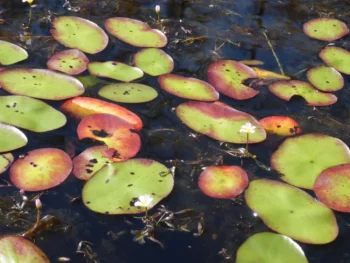
Carolina Fanwort: A Native Aquatic Beauty with Mysterious Ways
Meet Carolina fanwort (Cabomba caroliniana var. pulcherrima), a native aquatic plant that’s as intriguing as it is elusive. This perennial forb represents a specific variety of the Carolina fanwort family, and while it may not be the most common plant you’ll hear gardeners chatting about at the local nursery, it certainly deserves a spot in the conversation about native southeastern flora.
Where You’ll Find This Native Gem
Carolina fanwort calls the southeastern United States home, with its native range spanning across Florida, Georgia, North Carolina, and South Carolina. As a true native of the lower 48 states, this plant has been quietly doing its thing in southeastern waterways long before European settlers arrived.
- Species observed
- No observations
What Exactly Is Carolina Fanwort?
This particular variety, scientifically known as Cabomba caroliniana var. pulcherrima (sometimes listed under its synonym Cabomba pulcherrima), is what botanists classify as a forb. In simple terms, that means it’s an herbaceous plant without woody stems – think soft, green growth rather than bark and branches. As a perennial, it comes back year after year, making it a reliable presence in its aquatic habitats.
The Growing Challenge
Here’s where things get a bit tricky for the eager native plant gardener. While we know this variety exists and where it naturally occurs, specific cultivation information for Cabomba caroliniana var. pulcherrima is surprisingly scarce. This isn’t uncommon with specialized varieties of aquatic plants, especially those that may be less commonly encountered in typical gardening circles.
What we do know is that as a member of the Cabomba family, it’s likely an aquatic or semi-aquatic plant that would thrive in wetland conditions. However, without specific growing requirements, USDA hardiness zones, or cultivation guidelines for this particular variety, successfully growing it becomes more of an educated guessing game than a sure bet.
Should You Plant It?
The honest answer? It’s complicated. While Carolina fanwort is undeniably native and therefore ecologically valuable, the lack of specific growing information for this variety makes it a challenging choice for most gardeners. Additionally, its conservation status is listed as undefined, which adds another layer of uncertainty.
If you’re passionate about native aquatic plants and have experience with water gardening, you might consider exploring the broader Cabomba family or consulting with native plant specialists in your area who might have more hands-on experience with this particular variety.
Native Alternatives to Consider
If you’re looking to add native aquatic plants to your water feature or wetland garden, consider these well-documented southeastern natives:
- American lotus (Nelumbo lutea)
- Pickerelweed (Pontederia cordata)
- Arrowhead (Sagittaria latifolia)
- Wild rice (Zizania aquatica)
The Bottom Line
Carolina fanwort variety pulcherrima represents the fascinating complexity of native plant diversity, but it also highlights how much we still have to learn about some of our native species. While its native status makes it ecologically valuable, the practical challenges of growing it successfully make it more suitable for specialized native plant enthusiasts or researchers rather than typical home gardeners.
If you’re drawn to this plant, consider connecting with native plant societies in the Southeast or university extension programs that might have more specific information about cultivation techniques. Sometimes the most rewarding gardening adventures come from being part of the learning process for lesser-known native species.