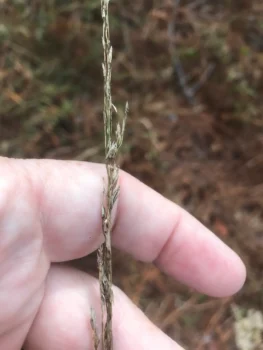
Carolina Fluffgrass: A Delicate Native Grass for Southern Gardens
If you’re looking to add some delicate texture and authentic southeastern charm to your native plant garden, meet Carolina fluffgrass (Tridens carolinianus). This understated perennial grass might not grab headlines like flashy wildflowers, but it brings something special to naturalistic landscapes with its soft, airy appearance and deep regional roots.
What Makes Carolina Fluffgrass Special?
Carolina fluffgrass is a true native of the southeastern United States, calling the coastal plains home from North Carolina down to Florida and west to Louisiana. You’ll find this charming grass growing naturally in Alabama, Florida, Georgia, Louisiana, Mississippi, North Carolina, and South Carolina, where it has evolved to thrive in the region’s unique sandy soils and warm climate.
- Species observed
- No observations
This perennial bunch grass belongs to the graminoid family—essentially the grass and grass-like plants that form the backbone of many natural ecosystems. While it may also go by the scientific synonym Triodia drummondii, Carolina fluffgrass perfectly captures its most endearing quality: those delicate, fluffy seed heads that dance in the breeze.
Why Plant Carolina Fluffgrass?
Carolina fluffgrass offers several compelling reasons to earn a spot in your garden:
- Authentic regional character: As a true southeastern native, it connects your landscape to the area’s natural heritage
- Low maintenance: Once established, this drought-tolerant grass requires minimal care
- Delicate beauty: The fine-textured foliage and airy seed heads add graceful movement to plantings
- Ecological value: Provides habitat structure for small wildlife and insects
- Erosion control: Helps stabilize sandy soils with its root system
Perfect Garden Settings
Carolina fluffgrass shines in naturalistic and wildlife-friendly garden designs. Consider it for:
- Native plant gardens that celebrate regional flora
- Pine savanna or coastal plain restoration projects
- Wildlife habitat gardens where it provides cover and nesting structure
- Natural groundcover areas that need a soft, informal look
- Slopes or areas prone to erosion on sandy soils
Growing Carolina Fluffgrass Successfully
The good news for busy gardeners is that Carolina fluffgrass is refreshingly easy to grow when you match its preferences:
Climate Requirements: This warm-season grass thrives in USDA hardiness zones 8-10, making it perfect for the southeastern coastal regions where it naturally occurs.
Soil and Site Conditions: Carolina fluffgrass loves well-drained, sandy soils—exactly what you’d expect from a coastal plains native. It performs best in full sun but can tolerate some partial shade. Avoid heavy, clay soils or areas that stay consistently wet.
Planting Tips: Spring is the ideal time to establish Carolina fluffgrass, either from seed or small plugs. Space plants appropriately to allow for their natural bunch grass growth habit. Since it’s drought tolerant once established, you won’t need to worry about constant watering after the first growing season.
Care and Maintenance: This is where Carolina fluffgrass really shines for low-maintenance gardeners. After establishment, it requires minimal intervention. You can cut it back in late winter if desired, but many gardeners prefer to leave the attractive seed heads for winter interest and wildlife habitat.
A Grass Worth Knowing
While Carolina fluffgrass may not be the showiest plant in your garden, it offers something increasingly valuable: authentic regional character combined with easy care. For gardeners interested in supporting native ecosystems while creating beautiful, sustainable landscapes, this delicate southeastern grass deserves serious consideration. Its soft texture and graceful seed heads provide the perfect backdrop for showier native wildflowers while requiring virtually no maintenance once established.
In a world of high-maintenance ornamental grasses, sometimes the quiet charm of a true regional native like Carolina fluffgrass is exactly what your garden needs.