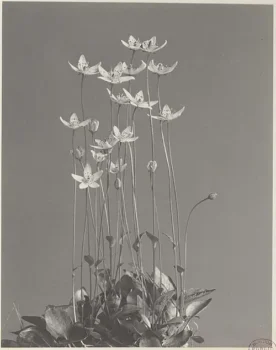
Carolina Grass of Parnassus: A Rare Wetland Gem Worth Protecting
If you’re drawn to unusual native plants with a story to tell, Carolina grass of Parnassus (Parnassia caroliniana) might just capture your heart. This delicate wetland perennial is one of those special plants that makes you feel like you’ve discovered a hidden treasure – which, in many ways, you have.
What Makes This Plant Special?
Despite its common name, Carolina grass of Parnassus isn’t actually a grass at all. It’s a charming herbaceous perennial that produces small, pristine white flowers adorned with delicate green veining. The heart-shaped basal leaves create an attractive rosette, giving the plant an almost fairy-tale quality that seems perfectly at home in its wetland habitat.
This little beauty is native to the southeastern United States, where it naturally occurs in just three states: Florida, North Carolina, and South Carolina. You might also see it listed under its scientific synonym, Parnassia floridana, in older gardening references.
- Species observed
- No observations
A Plant That Needs Our Help
Here’s something important every gardener should know: Carolina grass of Parnassus is considered vulnerable, with a global conservation status of S3. This means there are likely only 21 to 100 known populations remaining, with an estimated 3,000 to 10,000 individual plants in the wild. Its rarity makes it a plant worth celebrating and protecting.
If you’re considering adding this species to your garden, please make sure you source it responsibly from reputable native plant nurseries that propagate their own stock rather than collecting from wild populations.
Growing Carolina Grass of Parnassus
Let’s be honest – this isn’t a plant for every garden. Carolina grass of Parnassus is what botanists call an obligate wetland species, which means it almost always occurs in wetlands and has very specific growing requirements.
Ideal Growing Conditions
- Moisture: Consistently wet to boggy soil conditions
- Light: Full sun to partial shade
- Soil: Acidic, organic-rich wetland soils
- Climate: USDA Hardiness Zones 8-10
Where It Thrives in Your Landscape
This specialized plant works best in:
- Bog gardens and constructed wetlands
- Rain gardens with consistently moist conditions
- Wetland restoration projects
- Native plant gardens with specialized wetland sections
Wildlife and Pollinator Benefits
While small in stature, Carolina grass of Parnassus punches above its weight when it comes to supporting local ecosystems. The flowers attract small native bees and flies, contributing to the pollinator network that’s so crucial for healthy wetland communities.
Planting and Care Tips
Successfully growing Carolina grass of Parnassus requires mimicking its natural wetland habitat:
- Plant in consistently moist to wet soil – think bog conditions rather than just moist
- Ensure good drainage to prevent stagnation while maintaining wetness
- Use organic, acidic soil amendments
- Be patient – this plant can be slow to establish and may take time to adapt to cultivated conditions
- Avoid fertilizers, as wetland plants typically prefer nutrient-poor conditions
Is This Plant Right for Your Garden?
Carolina grass of Parnassus is definitely not a plant for every gardener, but it might be perfect for you if:
- You have naturally wet areas in your landscape
- You’re creating a bog garden or rain garden
- You’re passionate about growing rare native plants
- You want to contribute to conservation efforts
- You’re working on wetland restoration
However, you might want to consider alternatives if you have typical garden conditions with average moisture levels, as this plant simply won’t thrive outside its preferred wetland environment.
The Bottom Line
Carolina grass of Parnassus is a plant that asks us to slow down and appreciate the specialized beauty of our native wetland ecosystems. While it’s not the easiest plant to grow, successfully cultivating it can be incredibly rewarding – both for your garden and for conservation efforts.
If you have the right conditions and can source plants responsibly, this rare native can add a touch of wild, wetland magic to your landscape while helping preserve a vulnerable piece of our natural heritage. Just remember: with great rarity comes great responsibility!