Carolina Mosquitofern: The Tiny Floating Fern That’s Big on Benefits
If you’re looking to add some natural charm to your pond or water garden, meet Carolina mosquitofern (Azolla caroliniana) – a delightful little floating fern that’s as functional as it is fascinating. Don’t let the mosquito part of its name fool you; this tiny aquatic plant is actually your ally in creating a balanced water ecosystem.
What Exactly Is Carolina Mosquitofern?
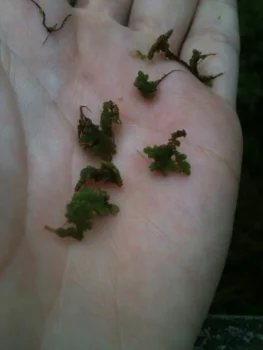
Carolina mosquitofern is a small, free-floating aquatic fern that forms dense, carpet-like mats on the water’s surface. Unlike your typical garden ferns, this little guy has adapted to life on the water, developing tiny overlapping leaves that create an almost moss-like appearance. The plant gets its scientific name from its discoverer, but gardeners know it simply as one of nature’s most effective natural water filters.
This annual fern has an interesting quirk – it can change colors! In bright sunlight or cooler weather, the typically green foliage takes on beautiful reddish hues, adding unexpected color to your water features.
Where Does It Come From?
Carolina mosquitofern is native to much of the United States, naturally occurring across a wide range of states from Alabama and Arkansas in the south to Michigan and Wisconsin in the north, and from the Atlantic coast west to Texas and the Great Plains. It’s also found in Puerto Rico. However, it’s considered non-native in parts of Canada, where it has naturalized.
- Species observed
- No observations
Why Consider Carolina Mosquitofern for Your Water Garden?
This little fern packs a big punch when it comes to water garden benefits:
- Natural water purifier: It absorbs excess nutrients from the water, helping prevent algae blooms
- Surface coverage: Creates attractive floating mats that provide shade and reduce water temperature
- Low maintenance: Once established, it pretty much takes care of itself
- Wildlife habitat: Provides cover and breeding areas for beneficial aquatic insects
- Seasonal interest: Color changes throughout the growing season add visual appeal
Perfect For These Garden Types
Carolina mosquitofern thrives in:
- Water gardens and ornamental ponds
- Bog gardens with standing water
- Natural swimming pools
- Rain gardens with seasonal flooding
- Wildlife ponds and wetland restoration projects
Growing Conditions and Care
As an obligate wetland plant, Carolina mosquitofern has very specific needs – it must have water! Here’s what it loves:
- Light: Full sun to partial shade
- Water: Still or slow-moving freshwater
- pH: Adaptable to a range of 6.0-8.0
- Temperature: Hardy in USDA zones 6-11
- Nutrients: Thrives in nutrient-rich water
In colder climates, the plant dies back in winter but often returns from spores in spring when conditions warm up.
Planting and Care Tips
Growing Carolina mosquitofern is refreshingly simple:
- Getting started: Simply place the plant on your water’s surface – no soil needed!
- Spacing: Start with small amounts; it spreads naturally
- Maintenance: Thin periodically if growth becomes too dense
- Winter care: In colder zones, collect some plants to overwinter indoors
- Feeding: No fertilizer needed – it feeds on nutrients in the water
A Word of Caution
While Carolina mosquitofern is generally well-behaved, it can spread quickly under ideal conditions. Keep an eye on its growth and thin it out if it starts covering more than two-thirds of your water surface. Your fish and other aquatic plants need some open water too!
How to Identify Carolina Mosquitofern
Look for these distinctive features:
- Small, overlapping leaves arranged in two rows
- Floating habit with no visible roots above water
- Dense, mat-forming growth pattern
- Green color that may turn reddish in bright light
- Tiny size – individual plants are typically less than an inch across
The Bottom Line
Carolina mosquitofern is a wonderful addition to water gardens where you want natural filtration, surface coverage, and low-maintenance beauty. While it may not provide nectar for pollinators like flowering plants do, it plays an important ecological role in aquatic ecosystems. Just remember to keep it contained to your intended water features and enjoy watching this fascinating little fern work its magic on your pond’s health and appearance.
Whether you’re a water gardening beginner or a seasoned pond keeper, Carolina mosquitofern offers an easy way to enhance your aquatic landscape while supporting a healthier water ecosystem. Give this tiny but mighty fern a try – your pond will thank you for it!