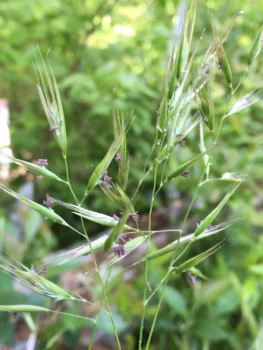
Carolina Oatgrass: A Delicate Native Gem for Wetland Gardens
If you’ve ever wondered what that delicate, fine-textured grass is growing in natural wetlands throughout the Southeast, you might be looking at Carolina oatgrass (Danthonia epilis). This charming native perennial grass is one of those understated beauties that plays a crucial role in wetland ecosystems, even if it doesn’t shout for attention like flashier wildflowers.
What Makes Carolina Oatgrass Special?
Carolina oatgrass is a true southeastern native, calling home to six states: Georgia, New Jersey, North Carolina, South Carolina, Tennessee, and Virginia. As a perennial grass, it comes back year after year, slowly establishing itself as a reliable presence in wet meadows and boggy areas.
What sets this grass apart is its unwavering commitment to wetland life. It’s classified as an obligate wetland species, which means it almost always occurs in wetlands – no wishy-washy habitat preferences here! Whether you’re in the Atlantic and Gulf Coastal Plain or the Eastern Mountains and Piedmont regions, Carolina oatgrass sticks to its wet and wonderful ways.
- Species observed
- No observations
A Word of Caution: Rarity Matters
Before you start planning your Carolina oatgrass garden, there’s something important to know. This species has a Global Conservation Status of S3S4, indicating it’s uncommon to somewhat common but still warrants attention. This means if you’re interested in growing Carolina oatgrass, you should only source it from reputable native plant nurseries or seed suppliers who can guarantee responsibly collected material. Never collect from wild populations!
Why Grow Carolina Oatgrass?
You might be wondering why anyone would want to grow a grass that’s so picky about staying wet. Here are some compelling reasons:
- Wetland restoration hero: If you’re creating a rain garden, bog garden, or restoring a wetland area, Carolina oatgrass is an authentic native choice
- Wildlife support: Native grasses provide important habitat and nesting materials for various wildlife species
- Erosion control: Its root system helps stabilize wet soils
- Low maintenance: Once established in the right conditions, it takes care of itself
- Subtle beauty: Adds fine texture and natural movement to wetland plantings
Growing Conditions: Embrace the Wet
Carolina oatgrass is not for your typical backyard border – it has very specific needs:
- Moisture: Consistently moist to wet soils are non-negotiable
- Light: Full sun to partial shade
- Climate: Hardy in USDA zones 6-9
- Soil: Tolerates various soil types as long as they stay moist
Perfect Garden Settings
Carolina oatgrass shines in specialized garden situations:
- Rain gardens and bioswales
- Bog gardens
- Pond margins
- Wetland restoration projects
- Native plant gardens with consistent irrigation
- Low-lying areas that collect water naturally
Planting and Care Tips
Success with Carolina oatgrass comes down to understanding its wetland nature:
- Starting out: Best established from seed or small plugs from reputable native plant sources
- Timing: Plant in fall or early spring when natural moisture is more reliable
- Watering: Keep soil consistently moist – this isn’t a water occasionally plant
- Maintenance: Minimal once established; may self-seed in appropriate conditions
- Patience: Like many native grasses, it may take a season or two to fully establish
The Bottom Line
Carolina oatgrass isn’t for everyone, and that’s perfectly okay! It’s a specialized plant for specialized situations. If you have a wet area in your landscape that you’d like to plant with authentic native species, or if you’re involved in wetland restoration work, Carolina oatgrass could be a wonderful addition. Just remember to source it responsibly and give it the consistently moist conditions it craves.
For gardeners with drier sites, consider other native grass options like little bluestem or buffalo grass that are more suited to typical garden conditions. But for those lucky enough to have a wet spot that needs some native love, Carolina oatgrass might just be the perfect subtle, ecological choice you’ve been looking for.